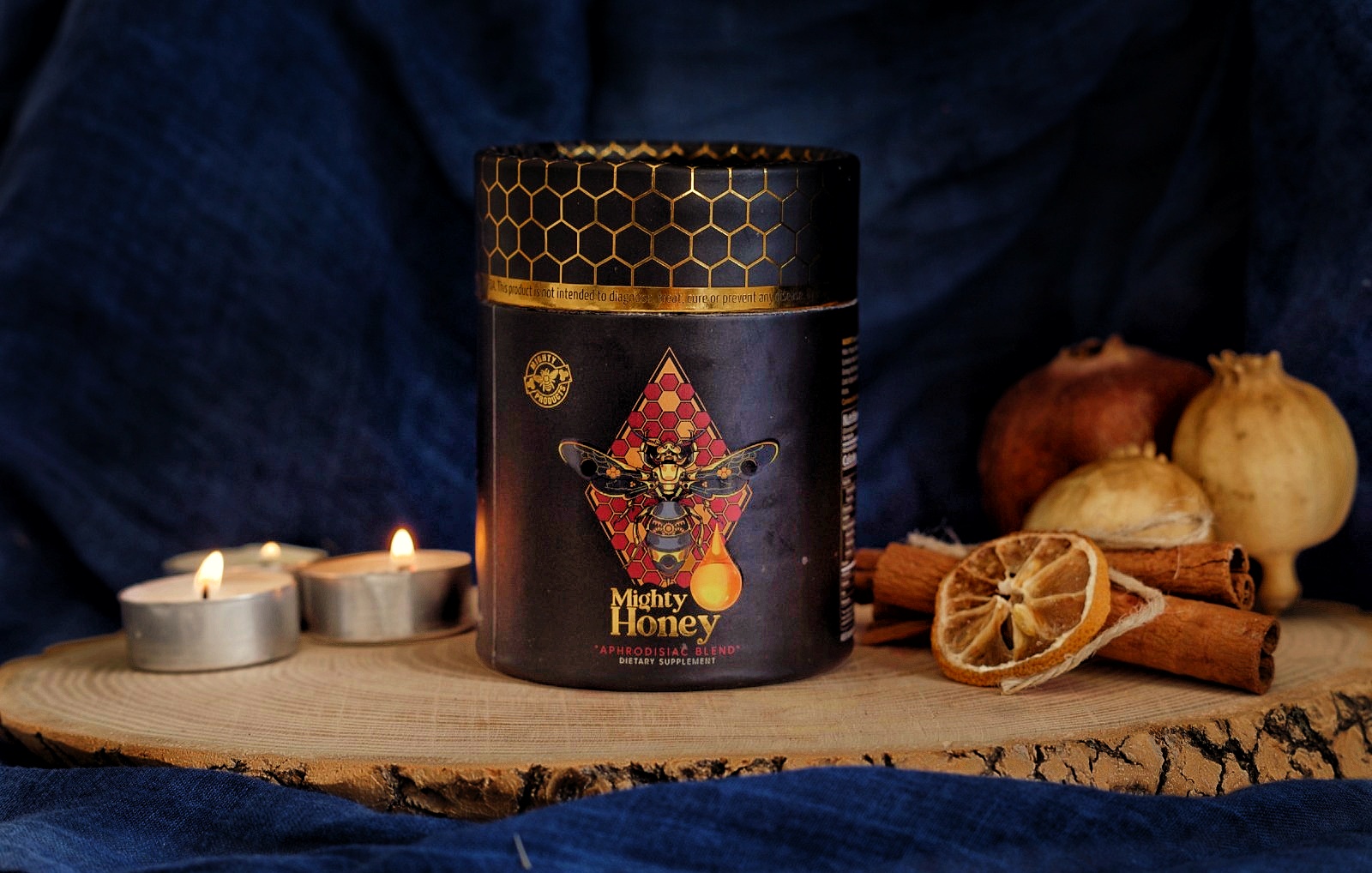
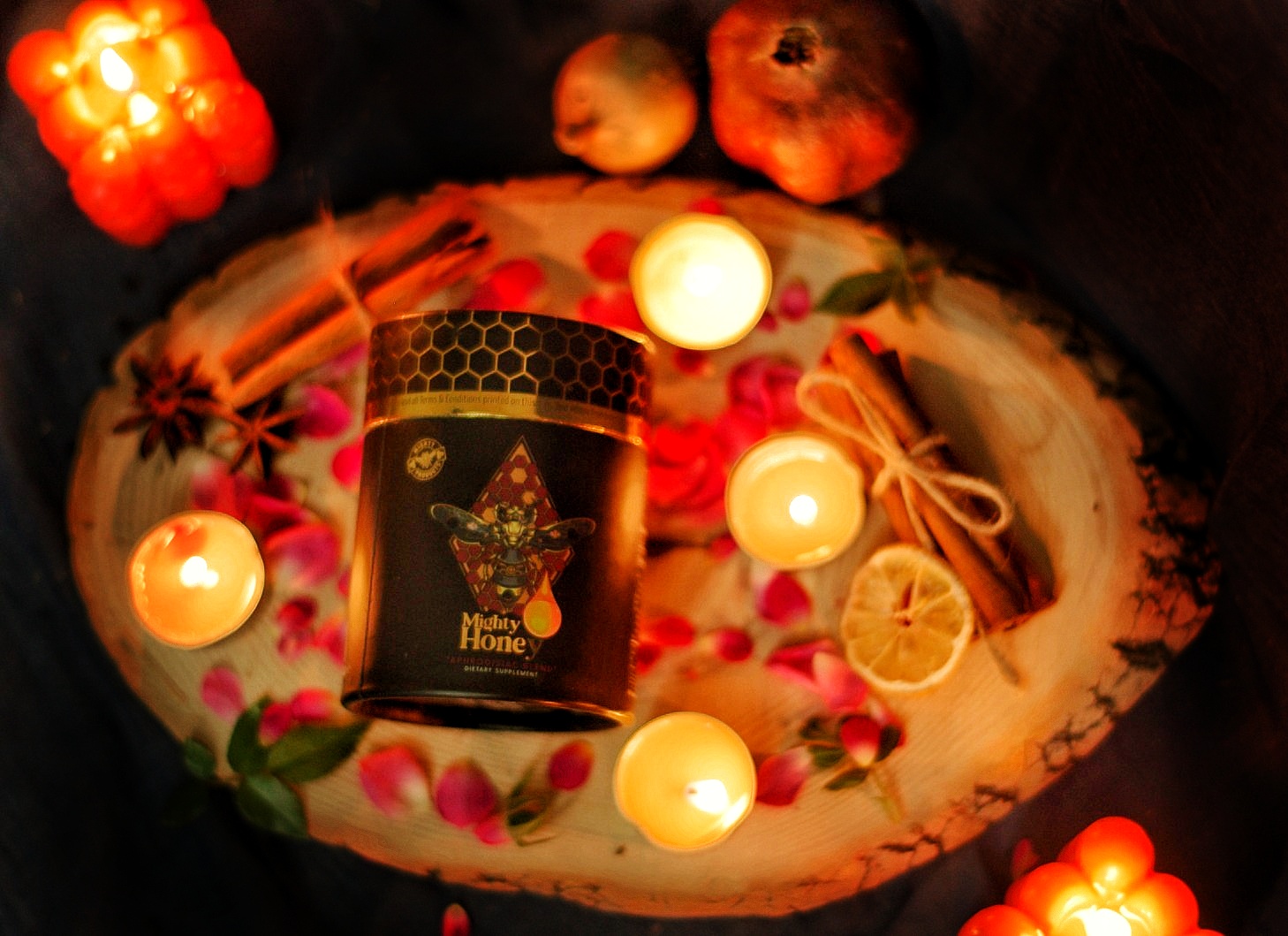
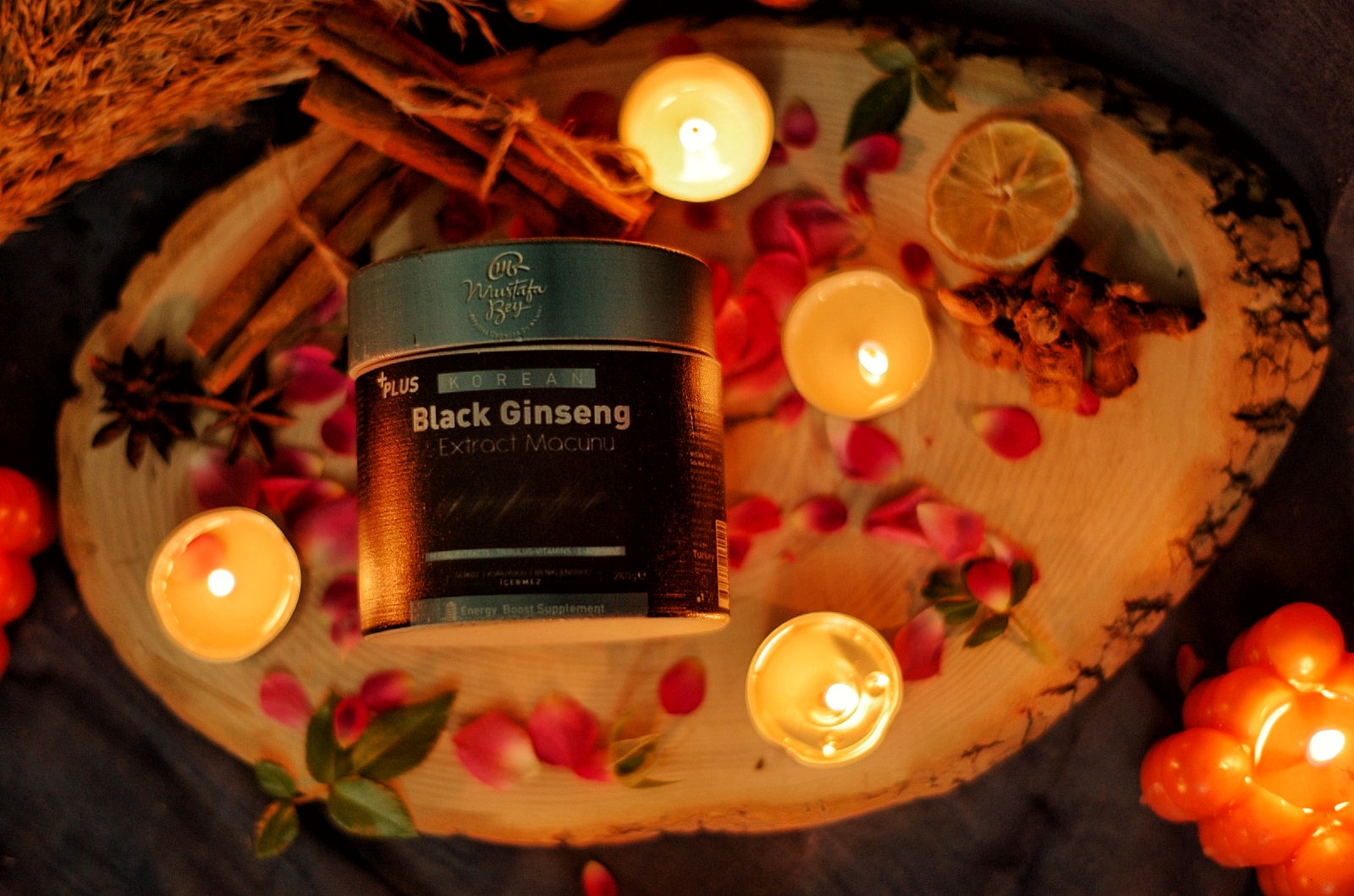
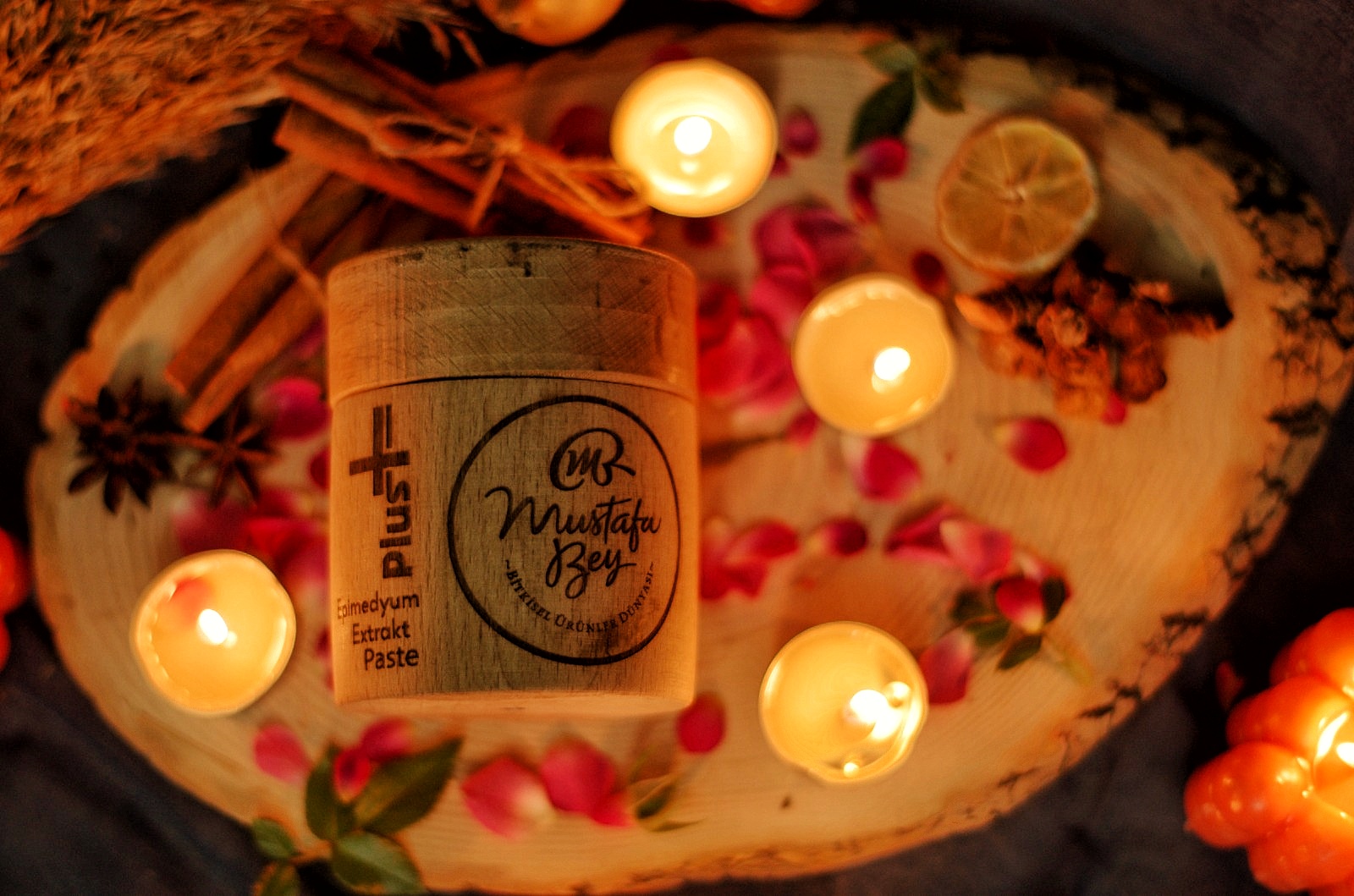
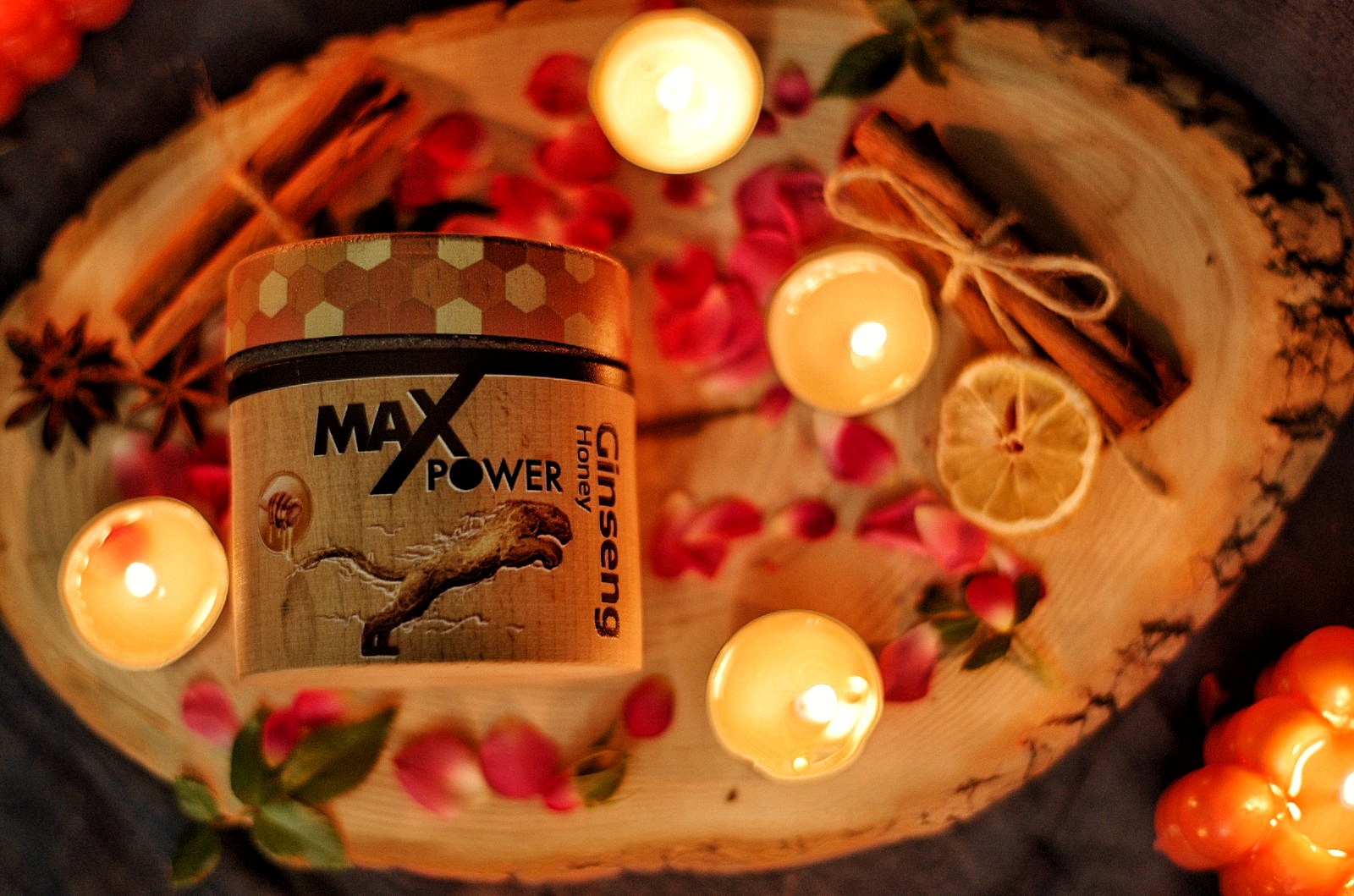
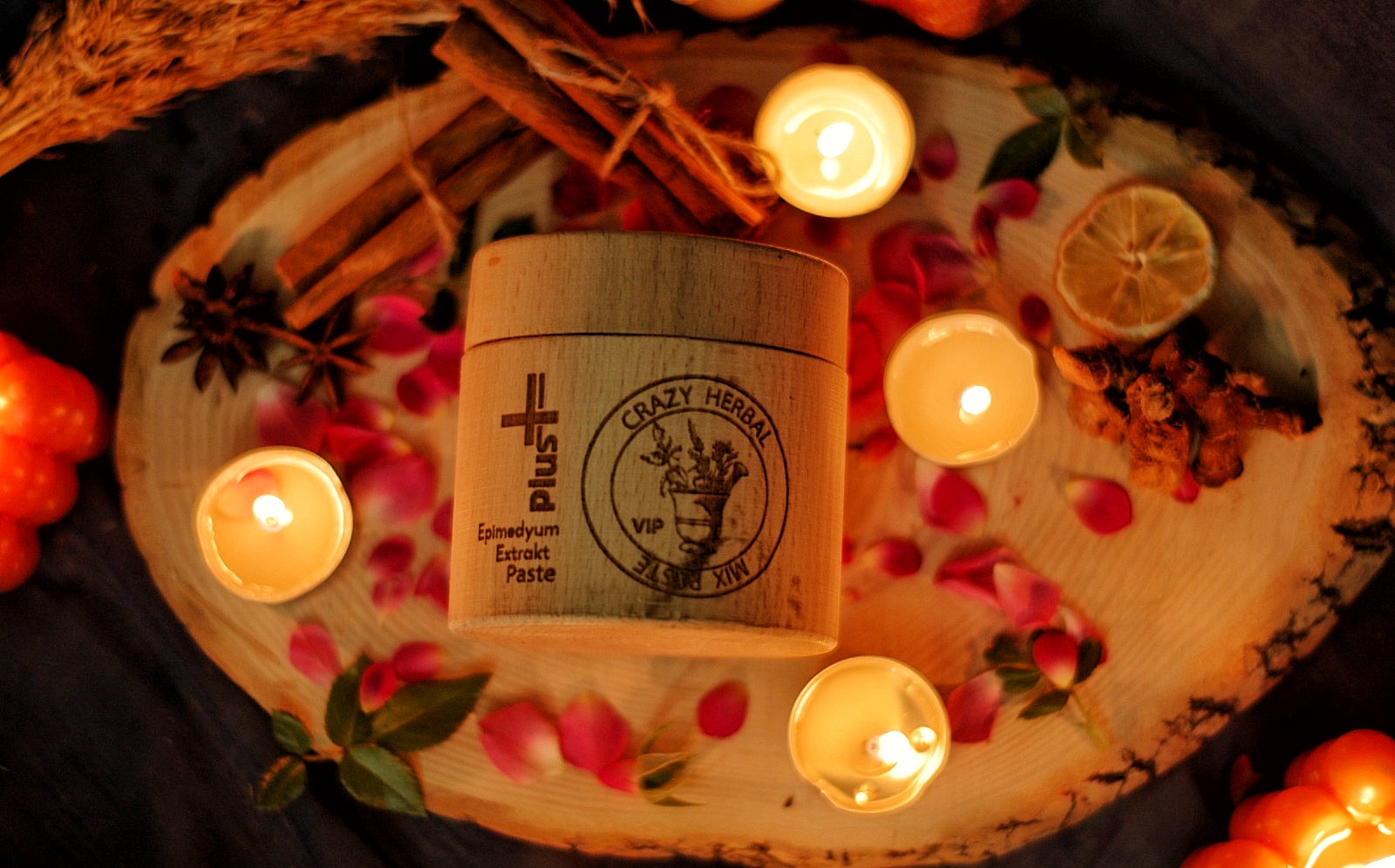
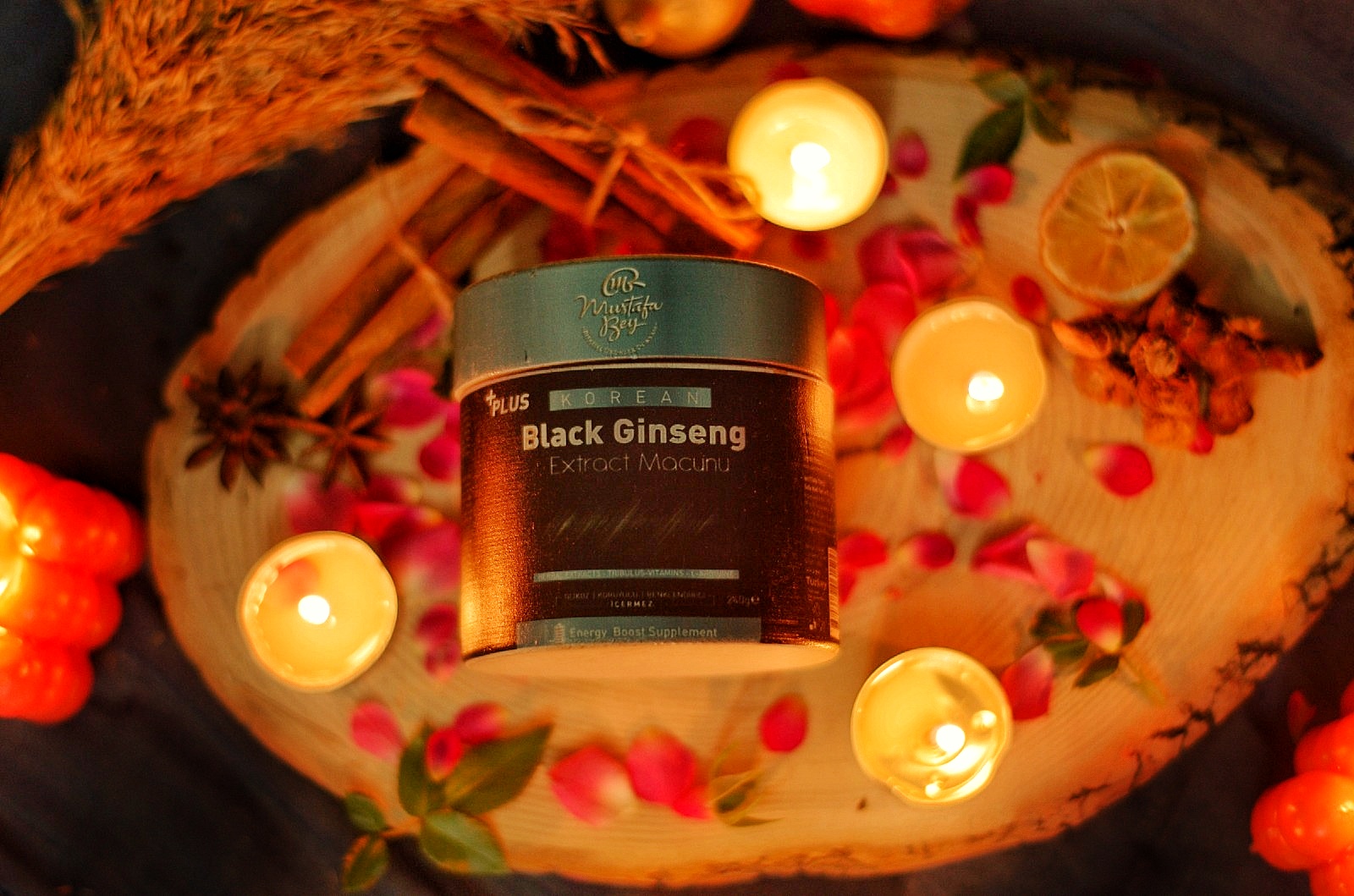
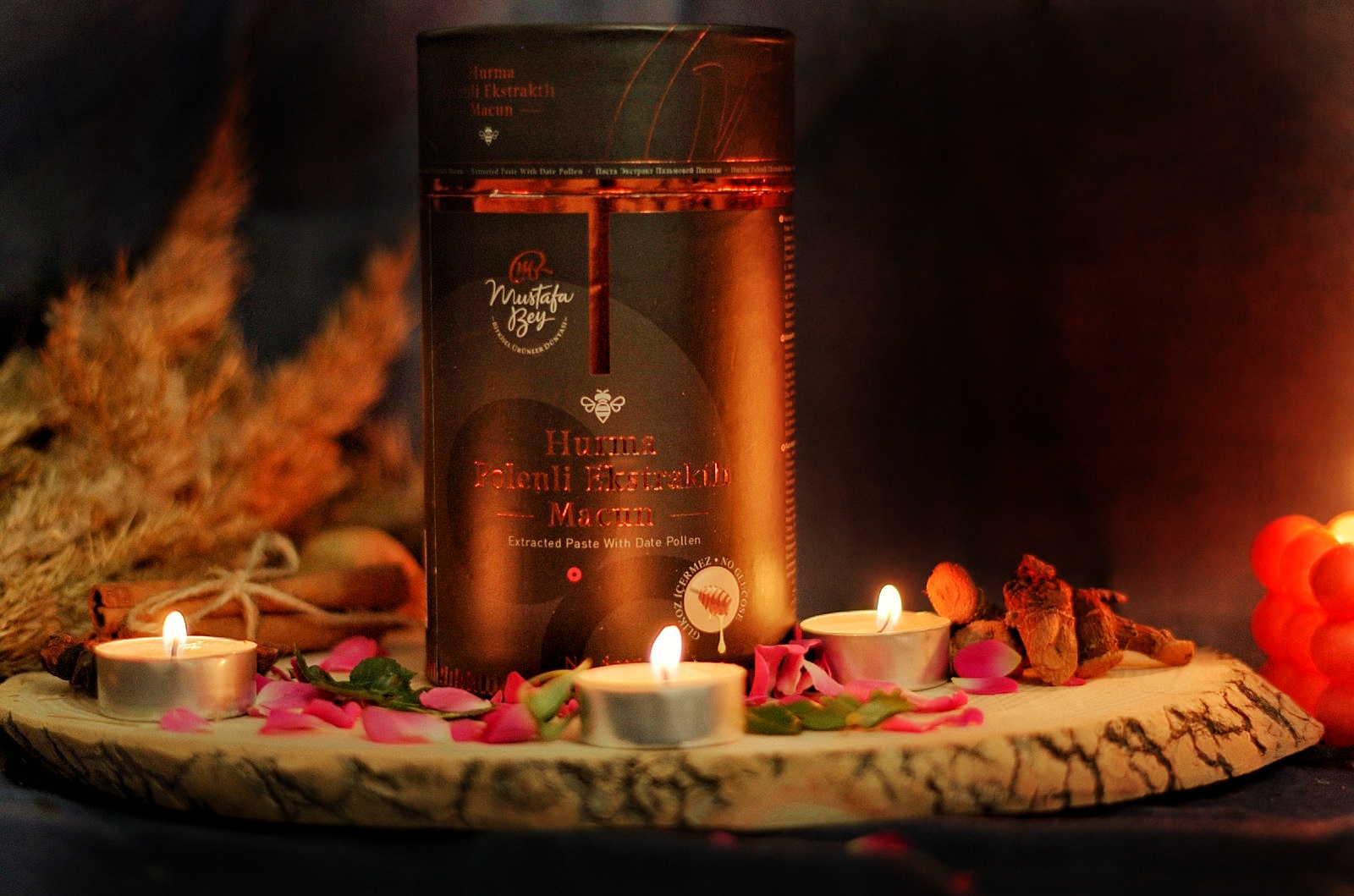
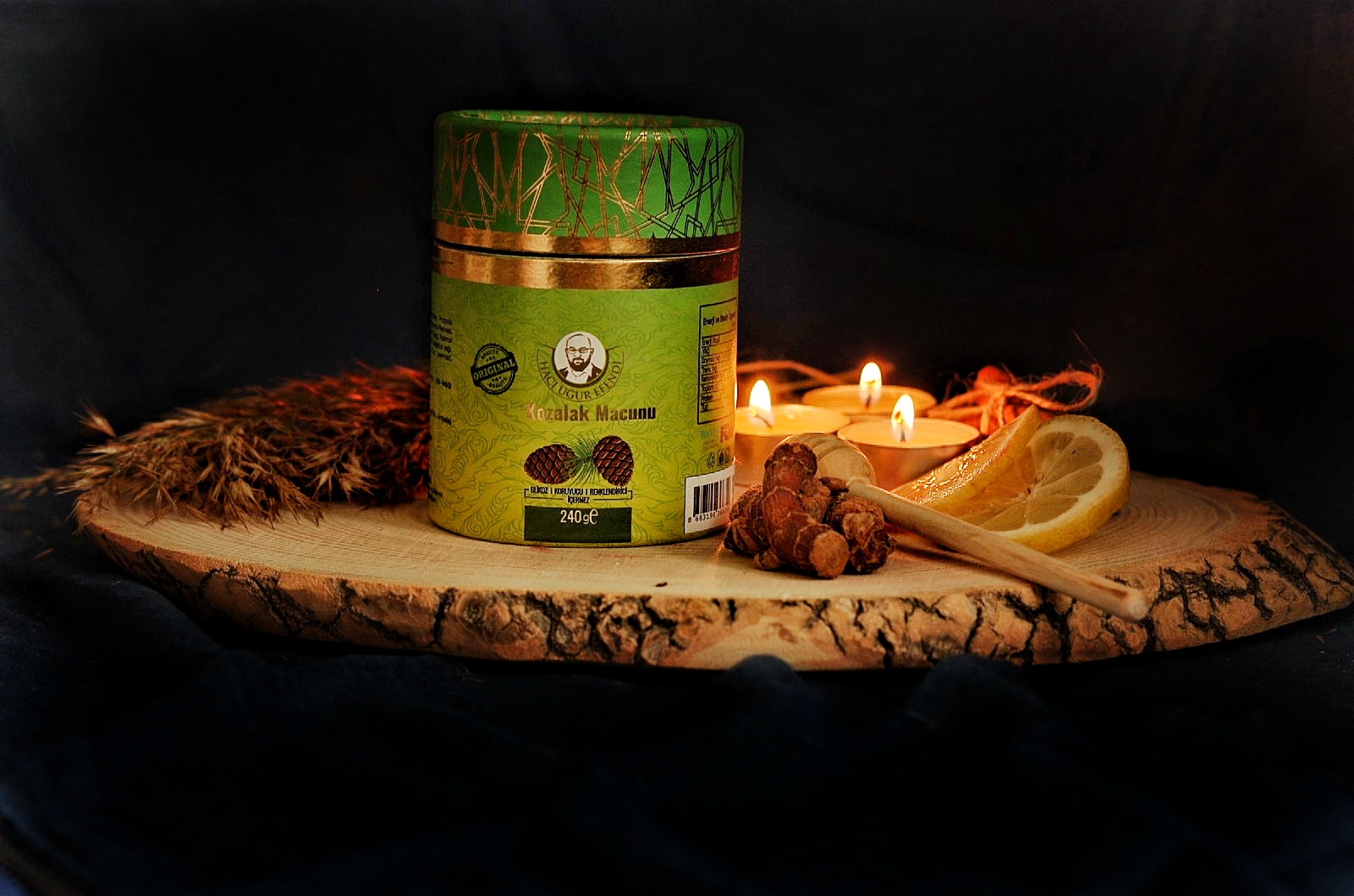
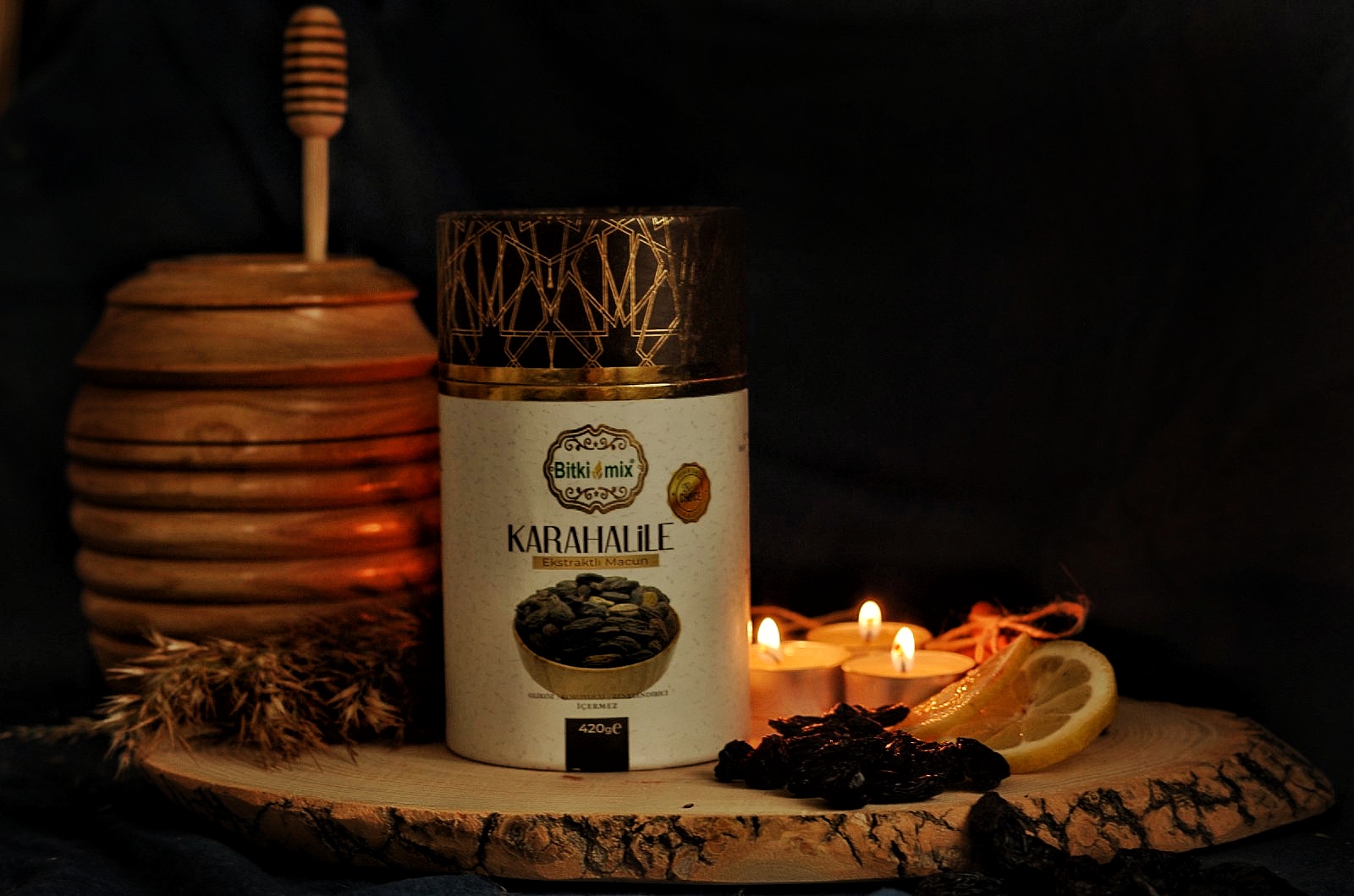
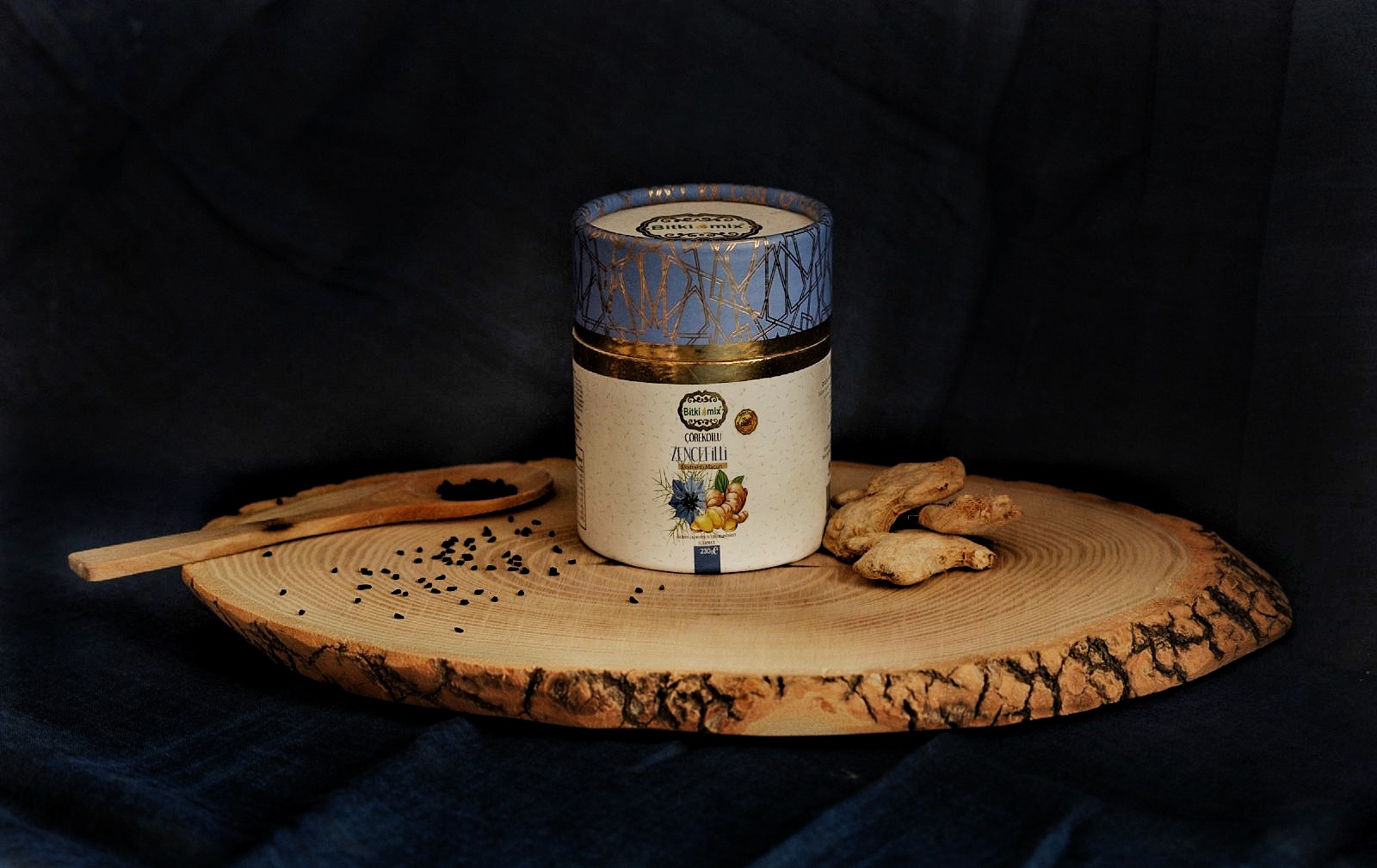
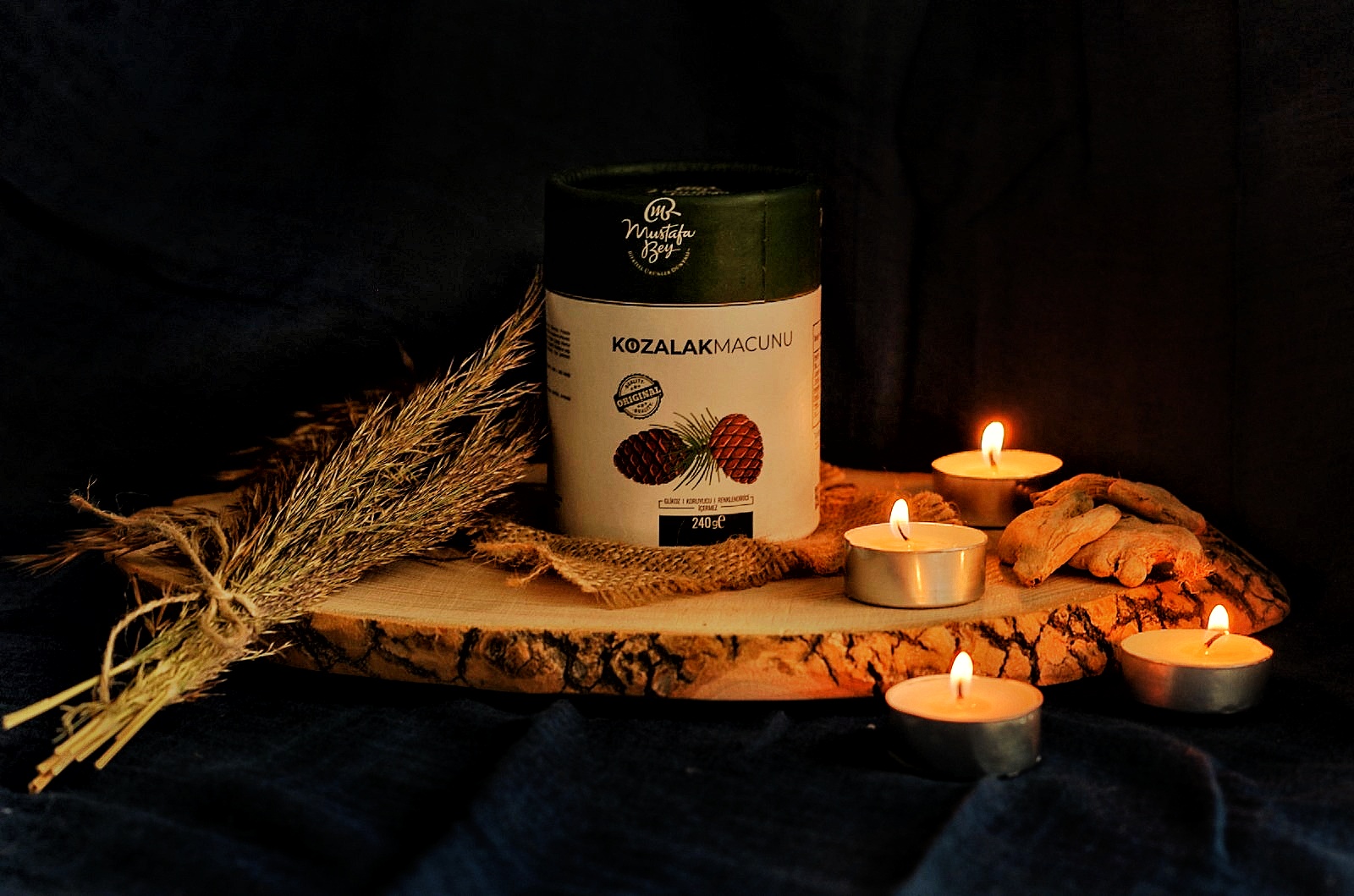
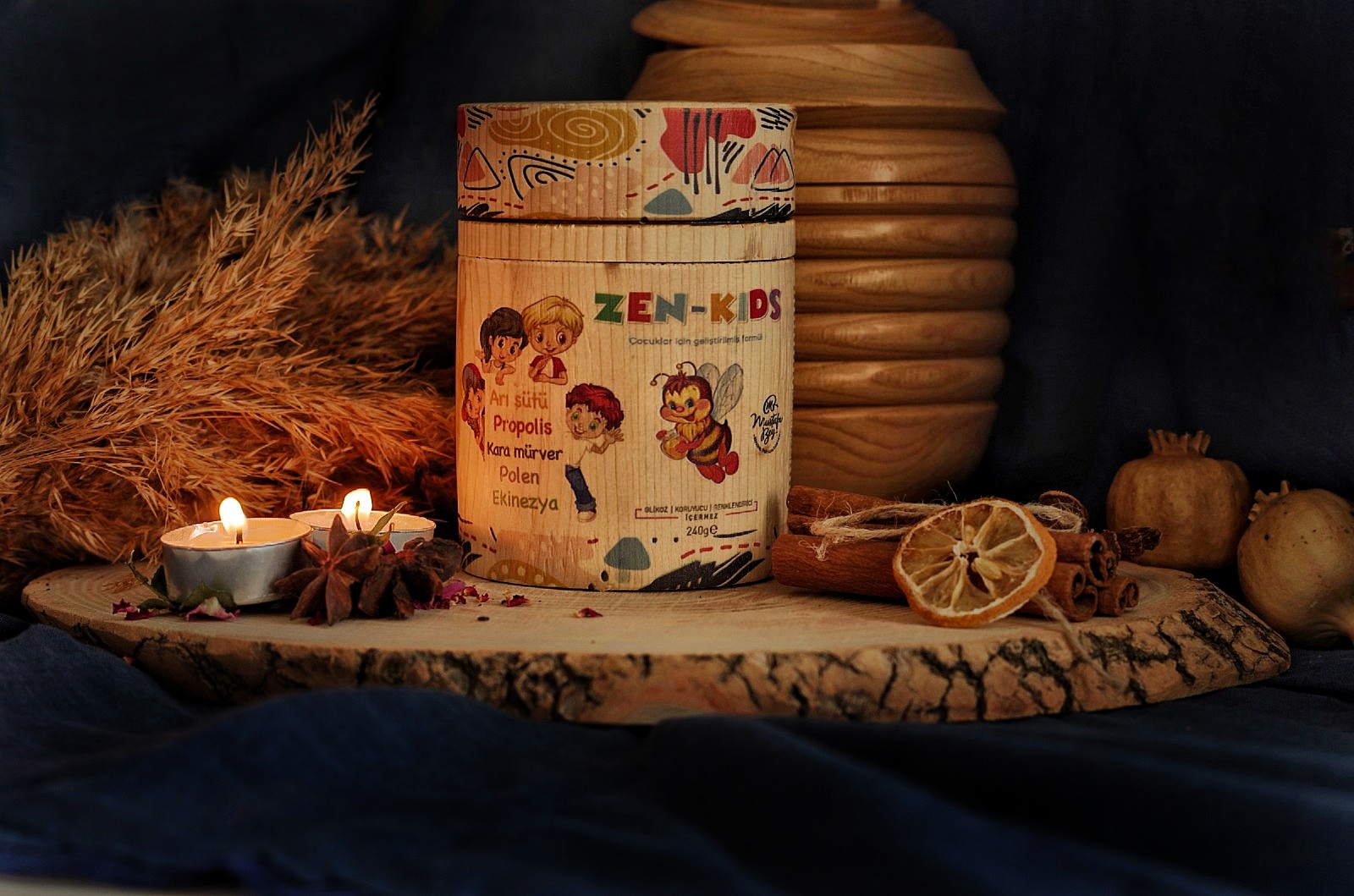
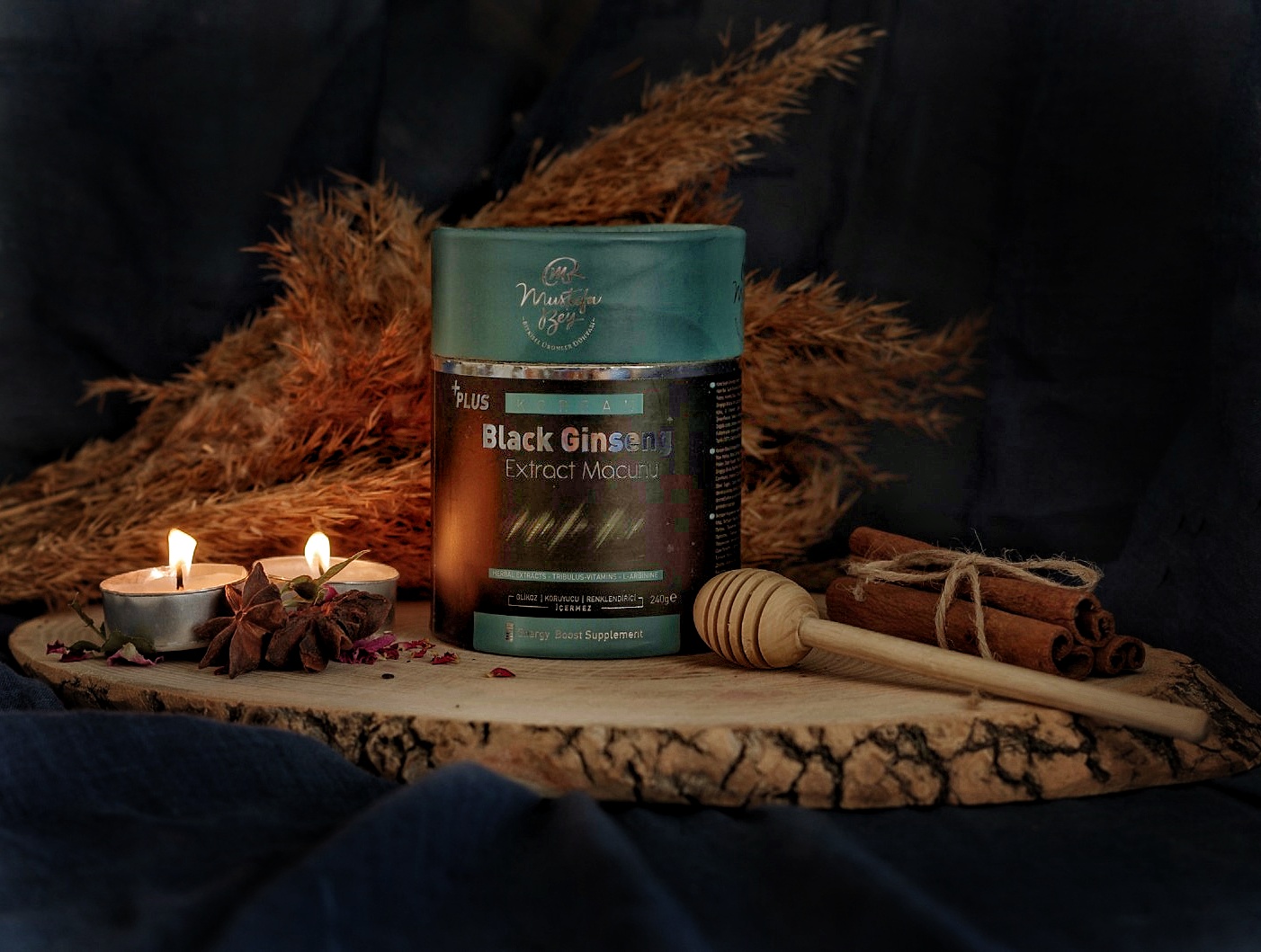
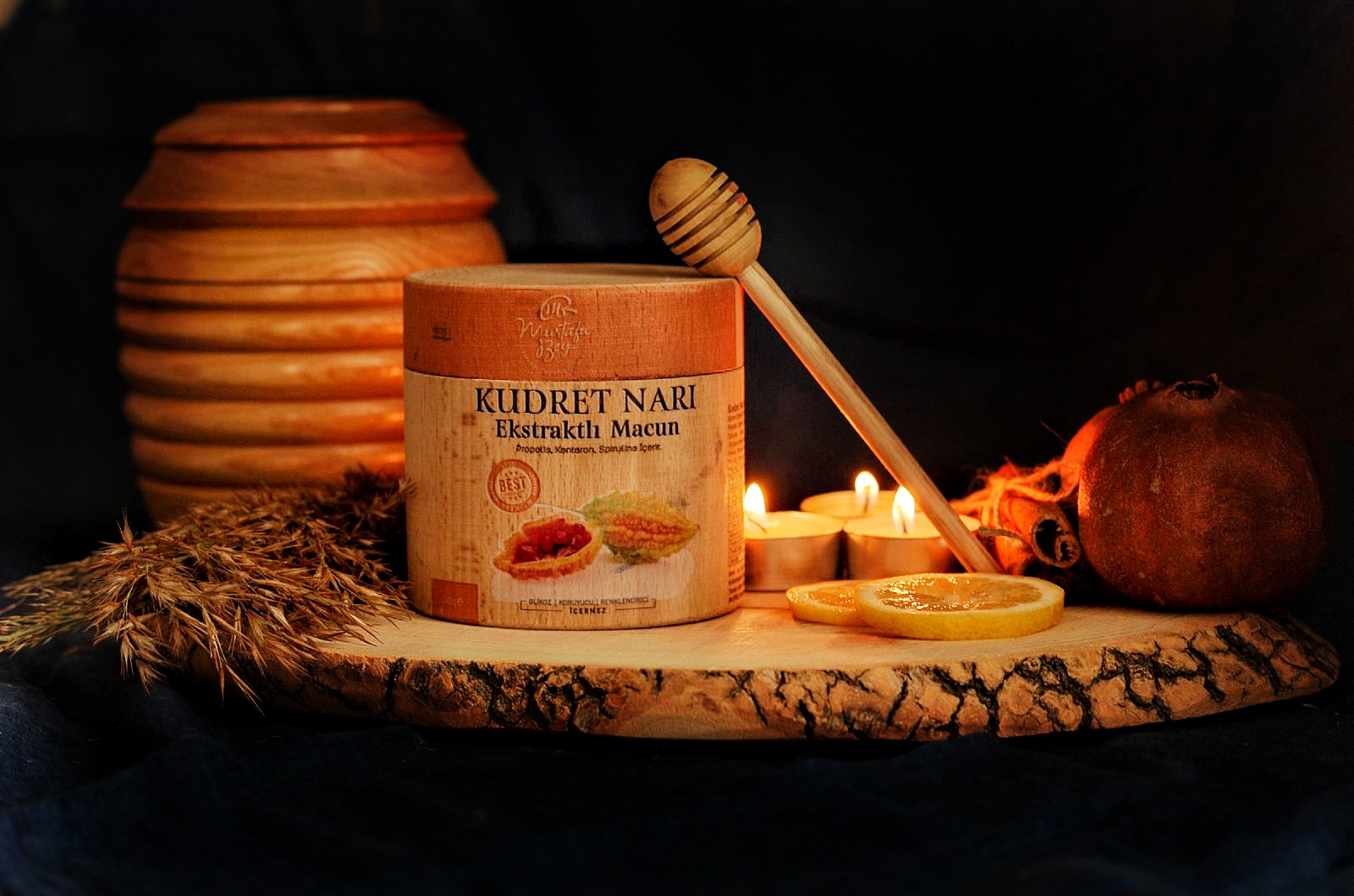
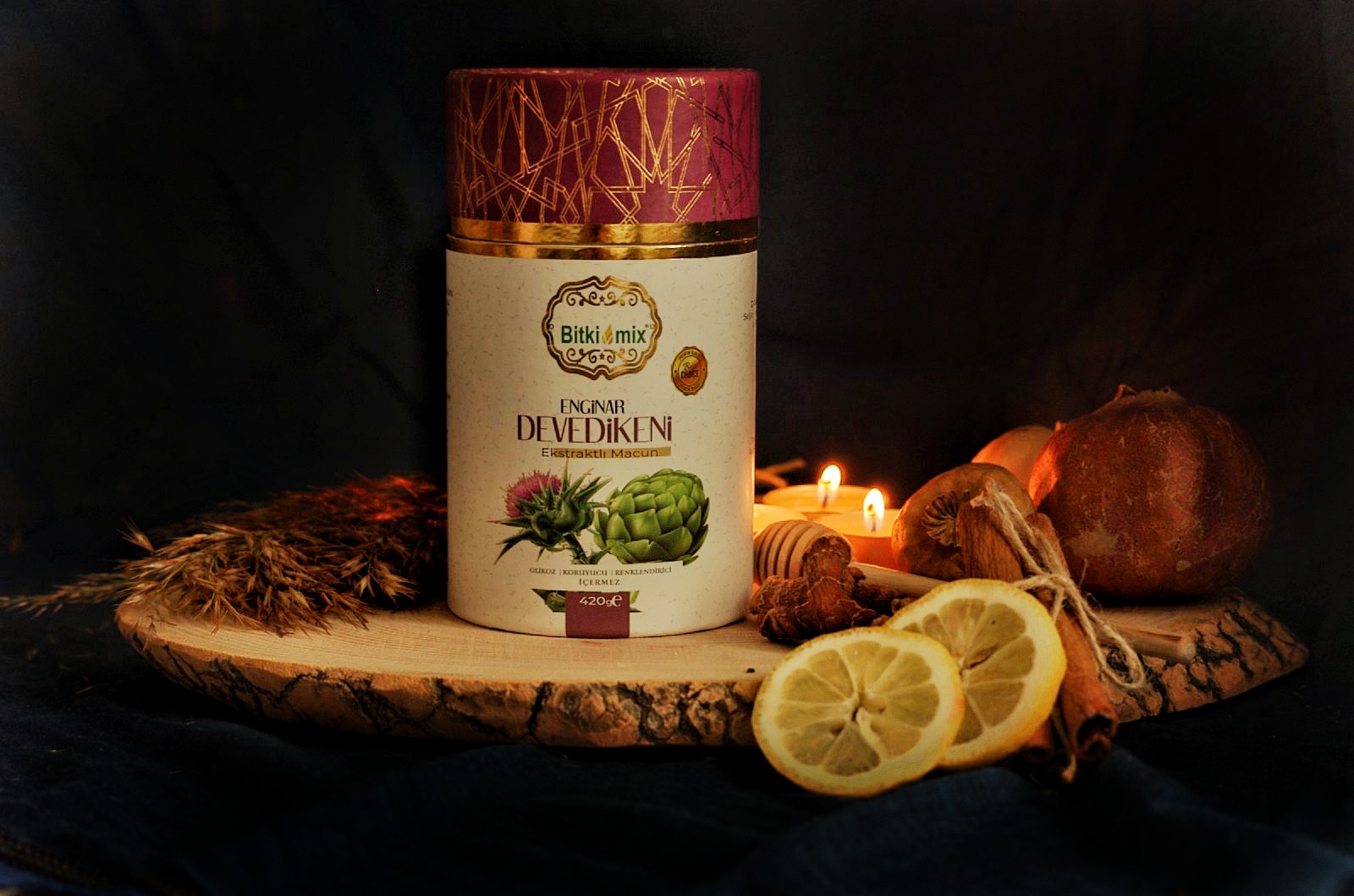
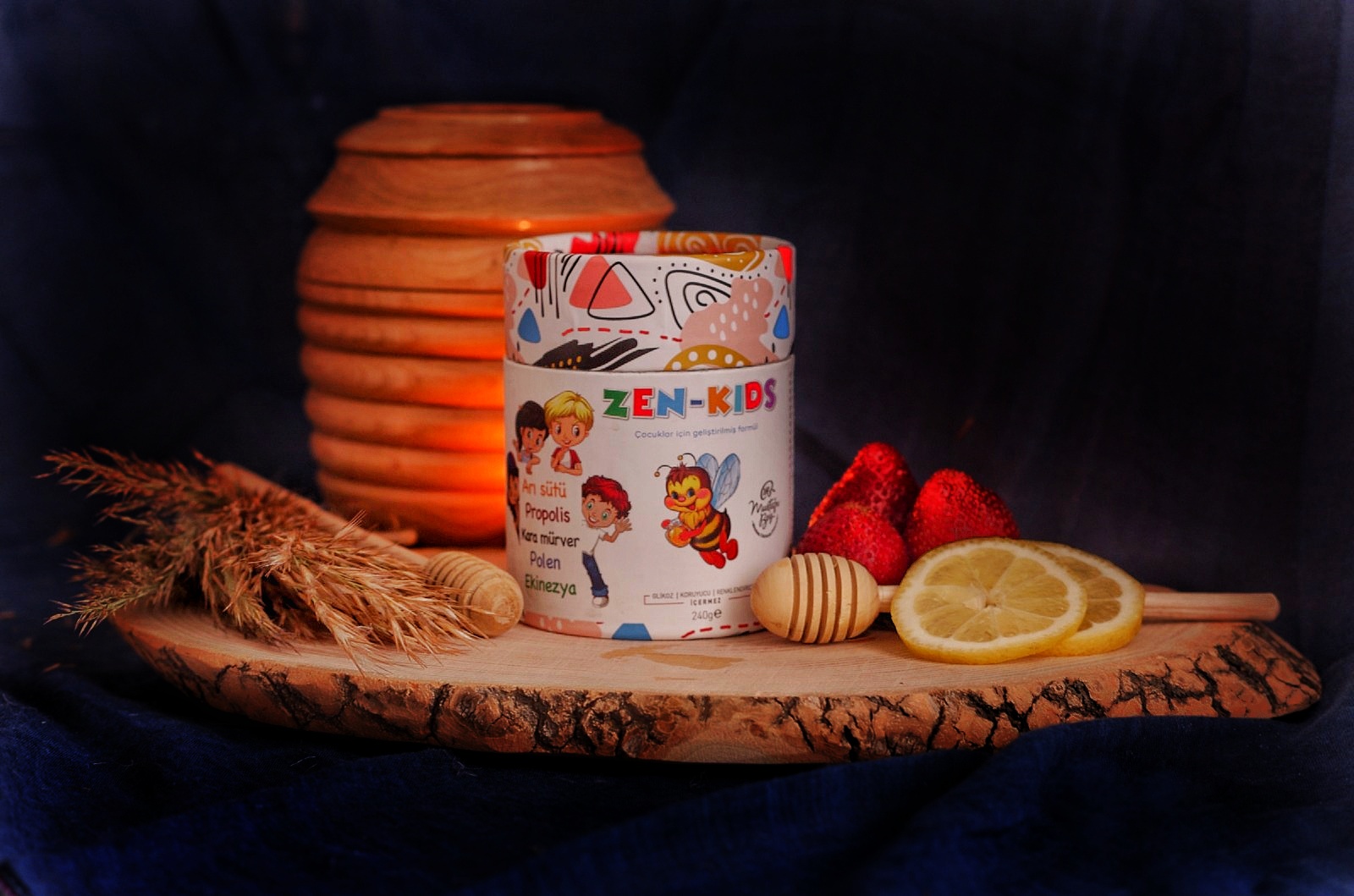
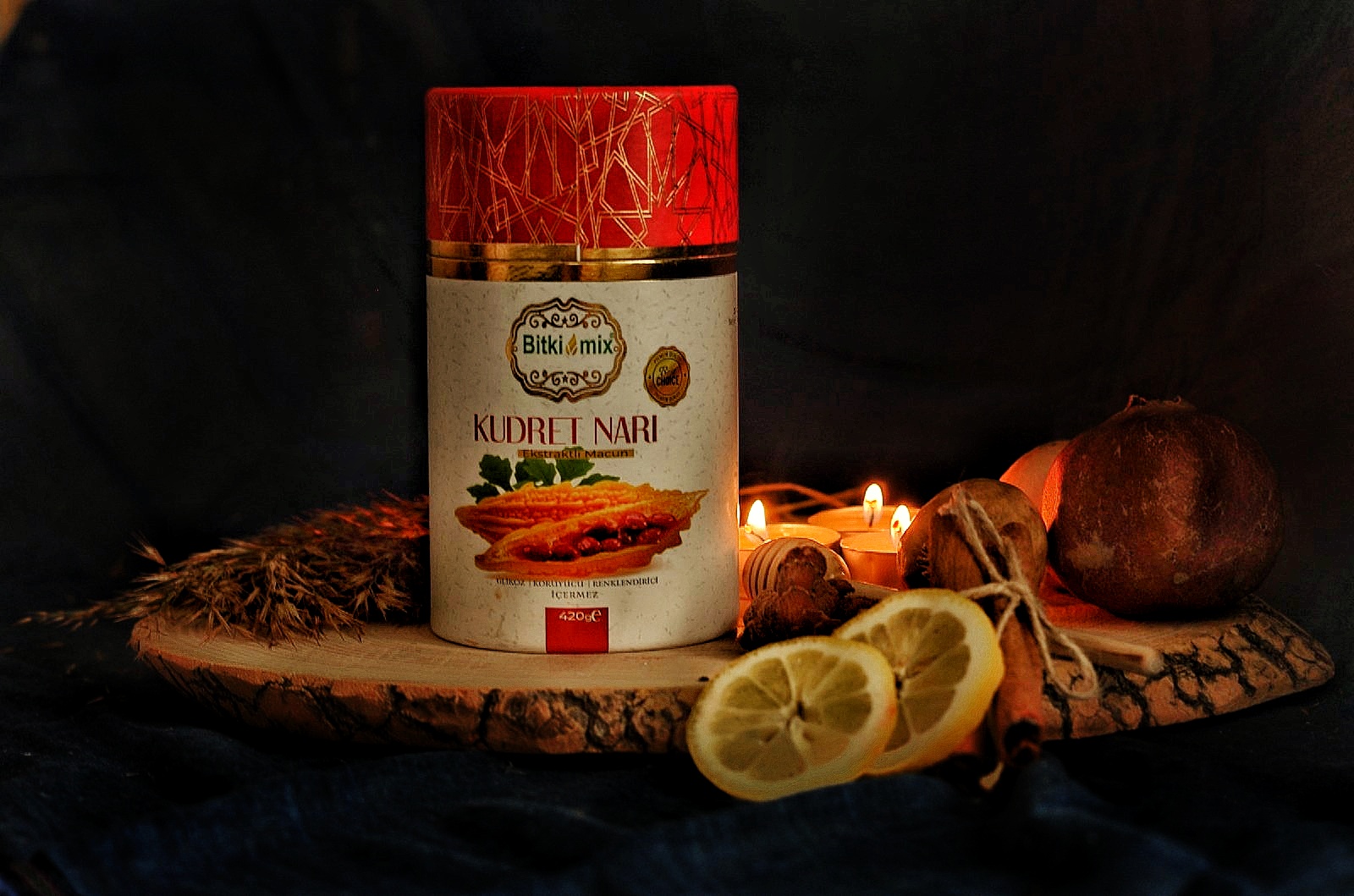
Our Company, which has a rich product range, has been continiouing its activities and expanding its business day by day for 19 years since its foundation without sacrificing quality. We provide world class services in the field of activity. We aim to become an international brand by moving this success we have achieved in our country to foreign markets and expanding the market with the products that we produce.
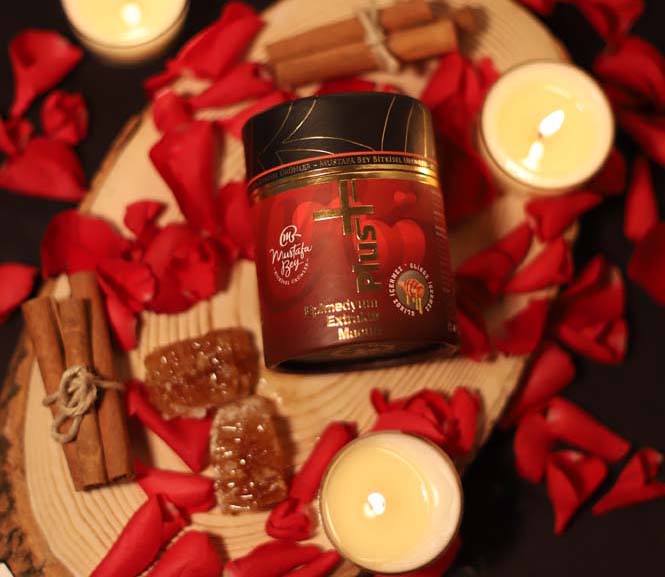
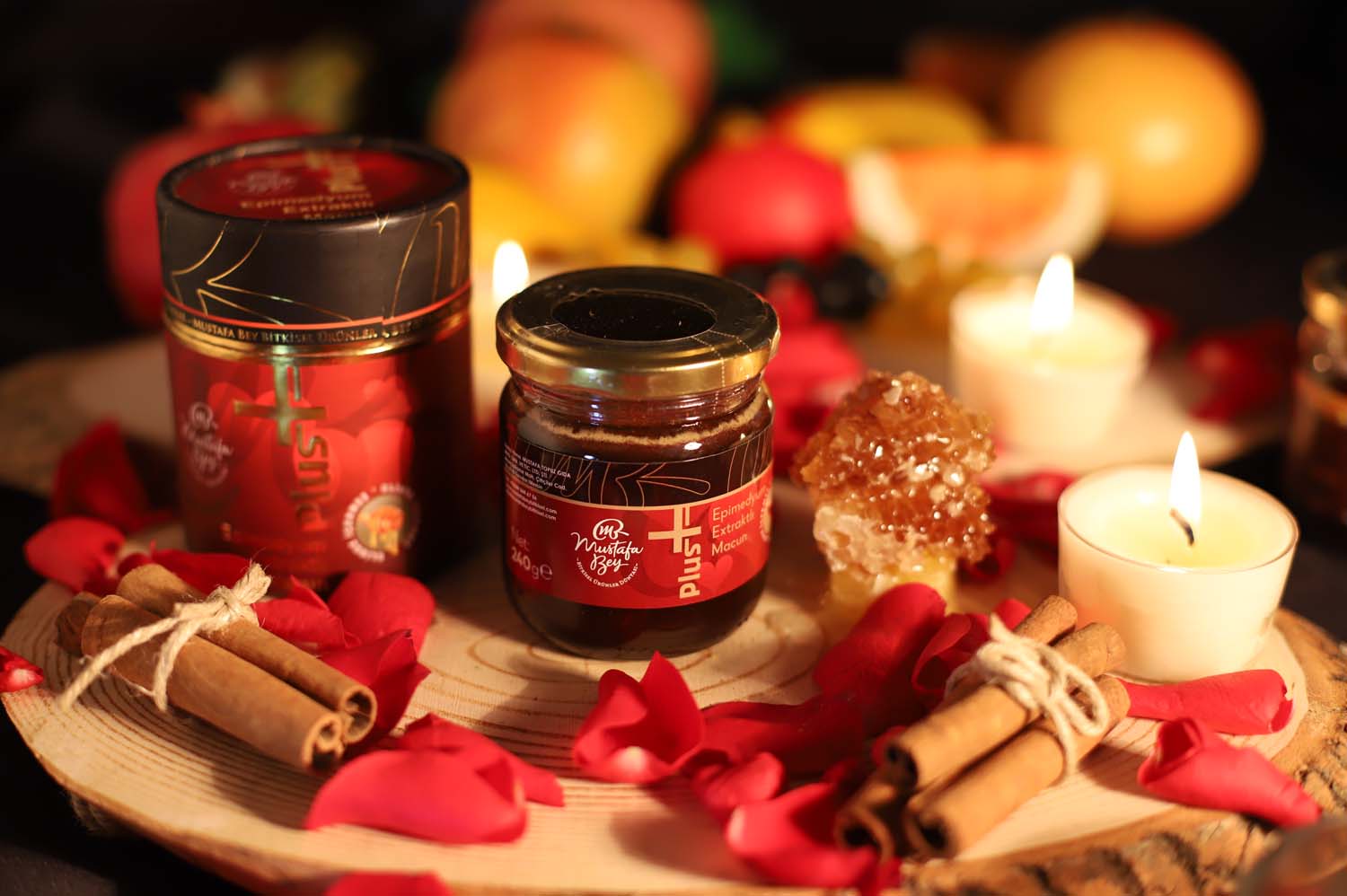
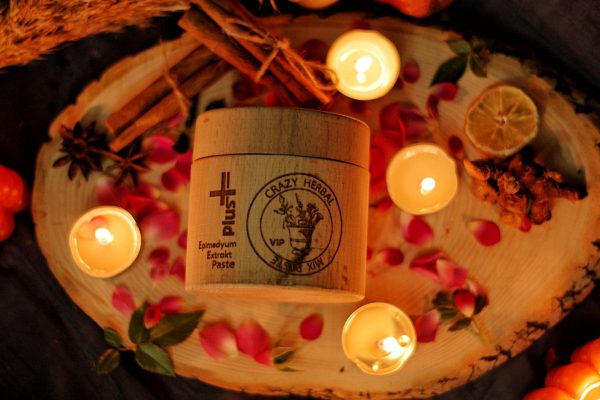
- PLUS EPIMEDIUM
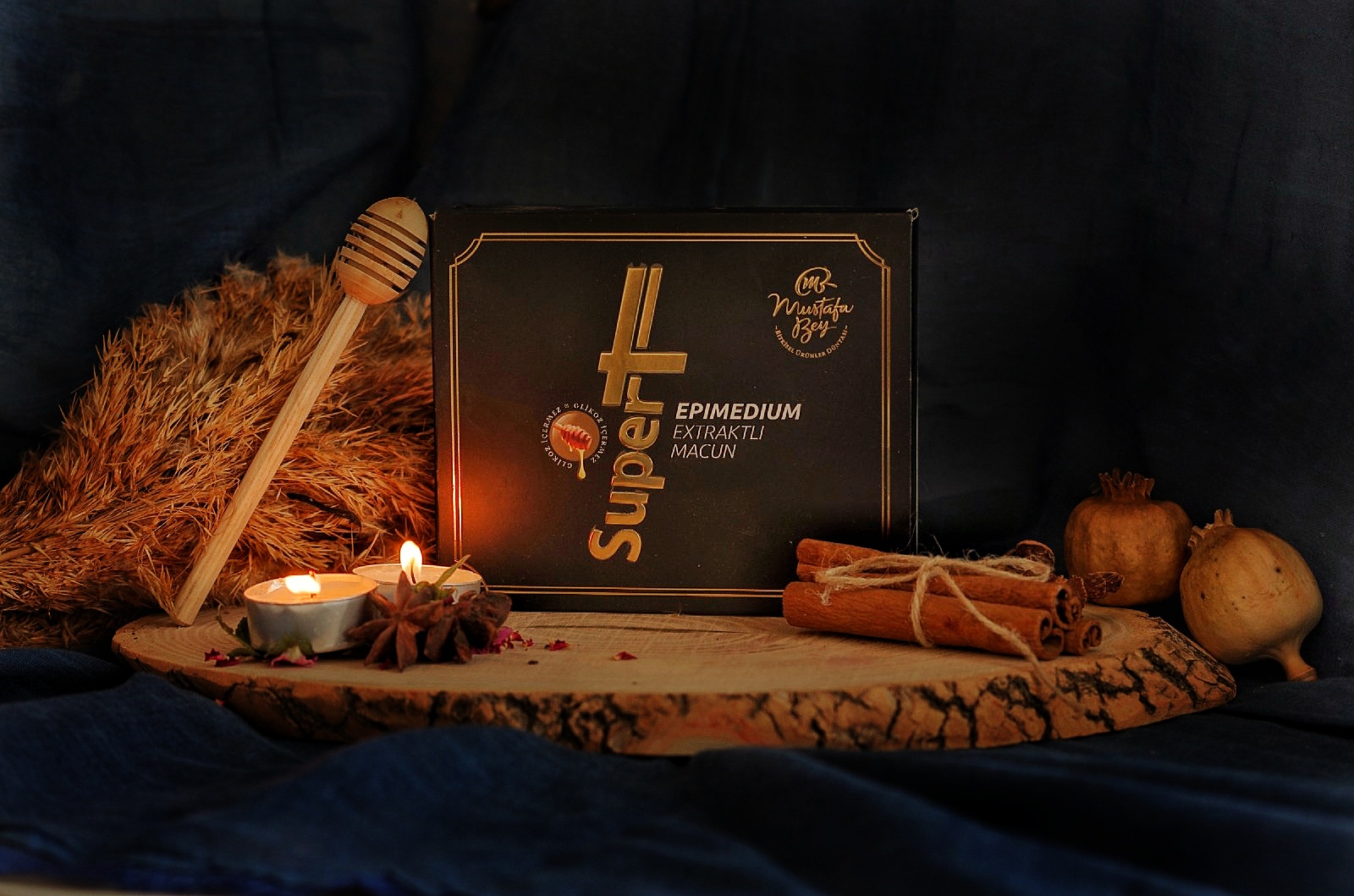
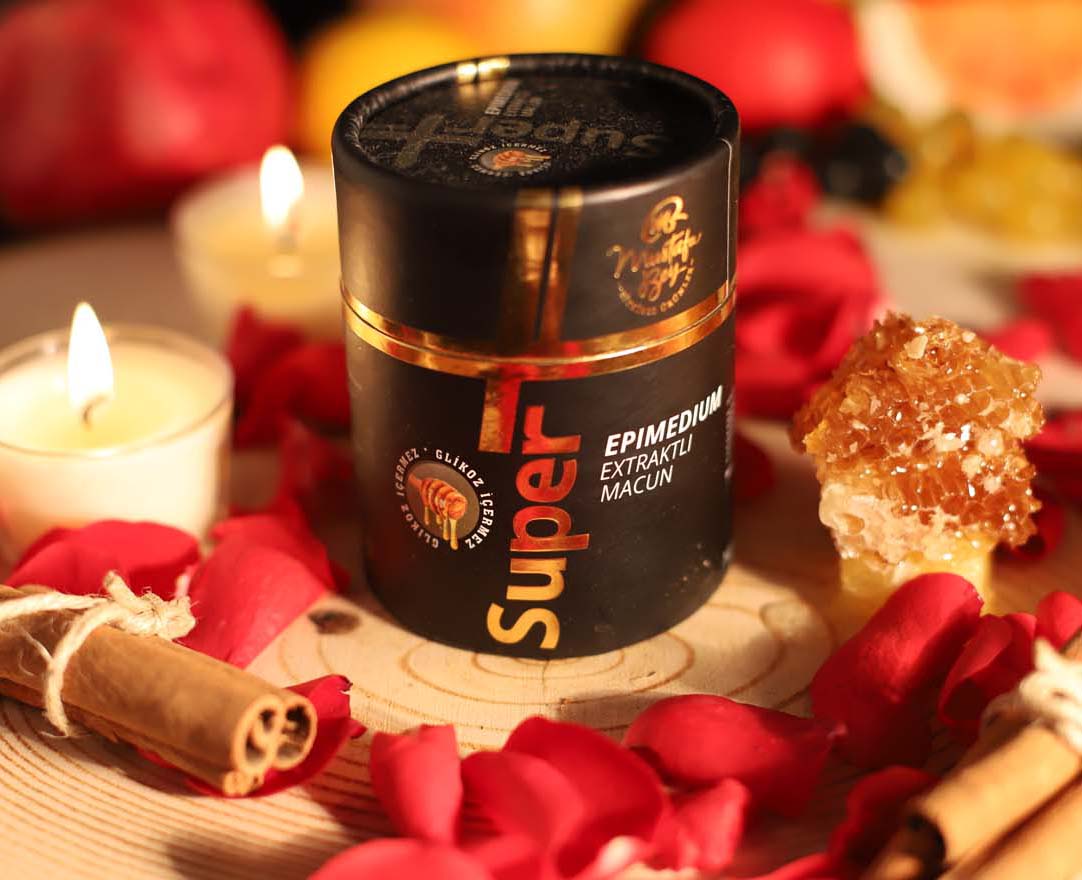
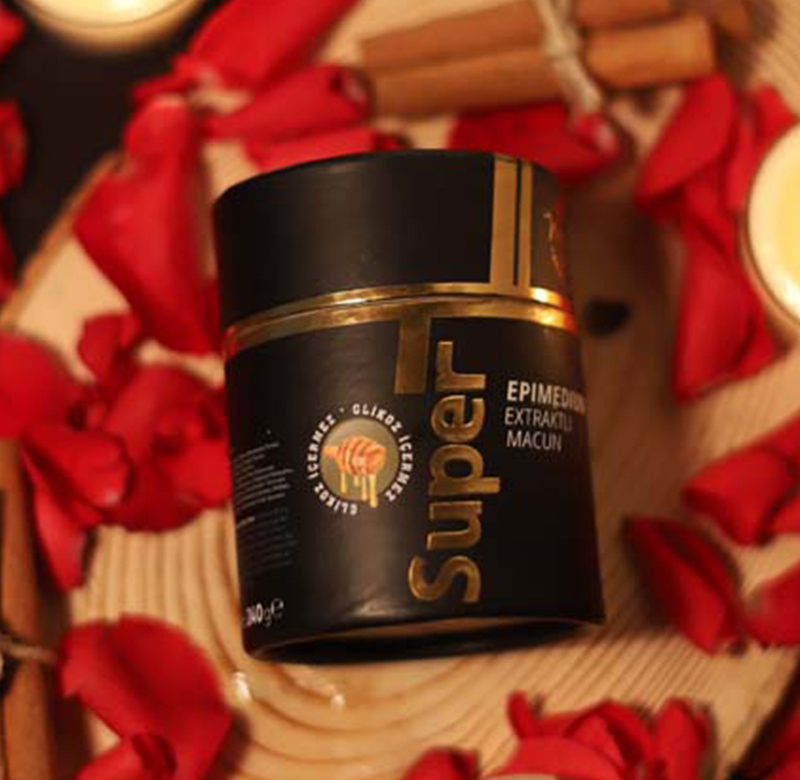
- SUPER EPIMEDIUM
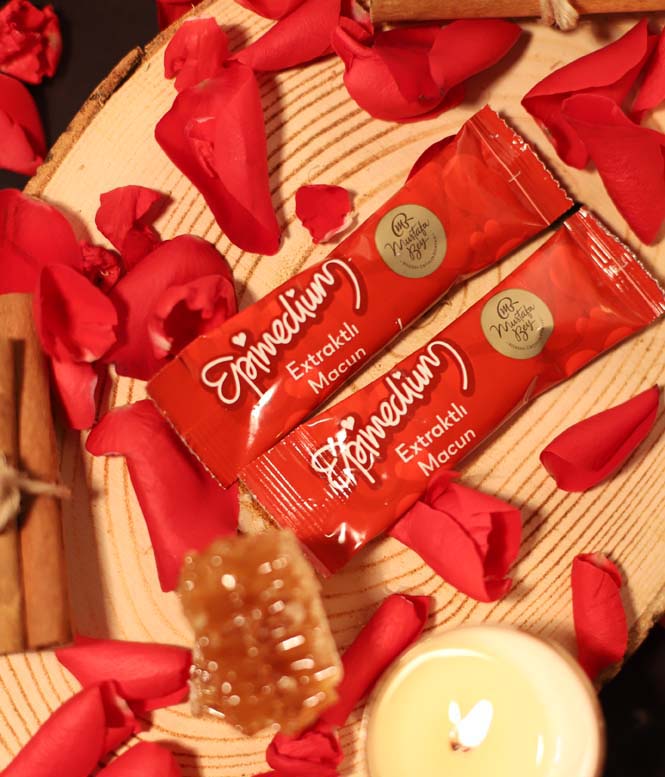
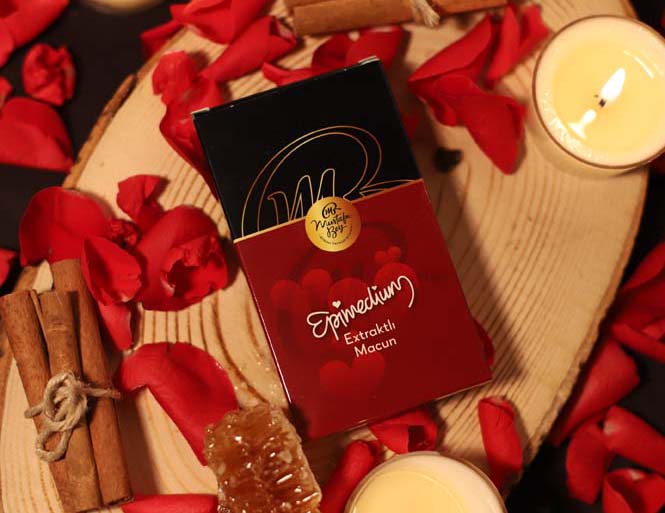
- EXTRACT EPIMEDIUM
- JEL EPIMEDIUM
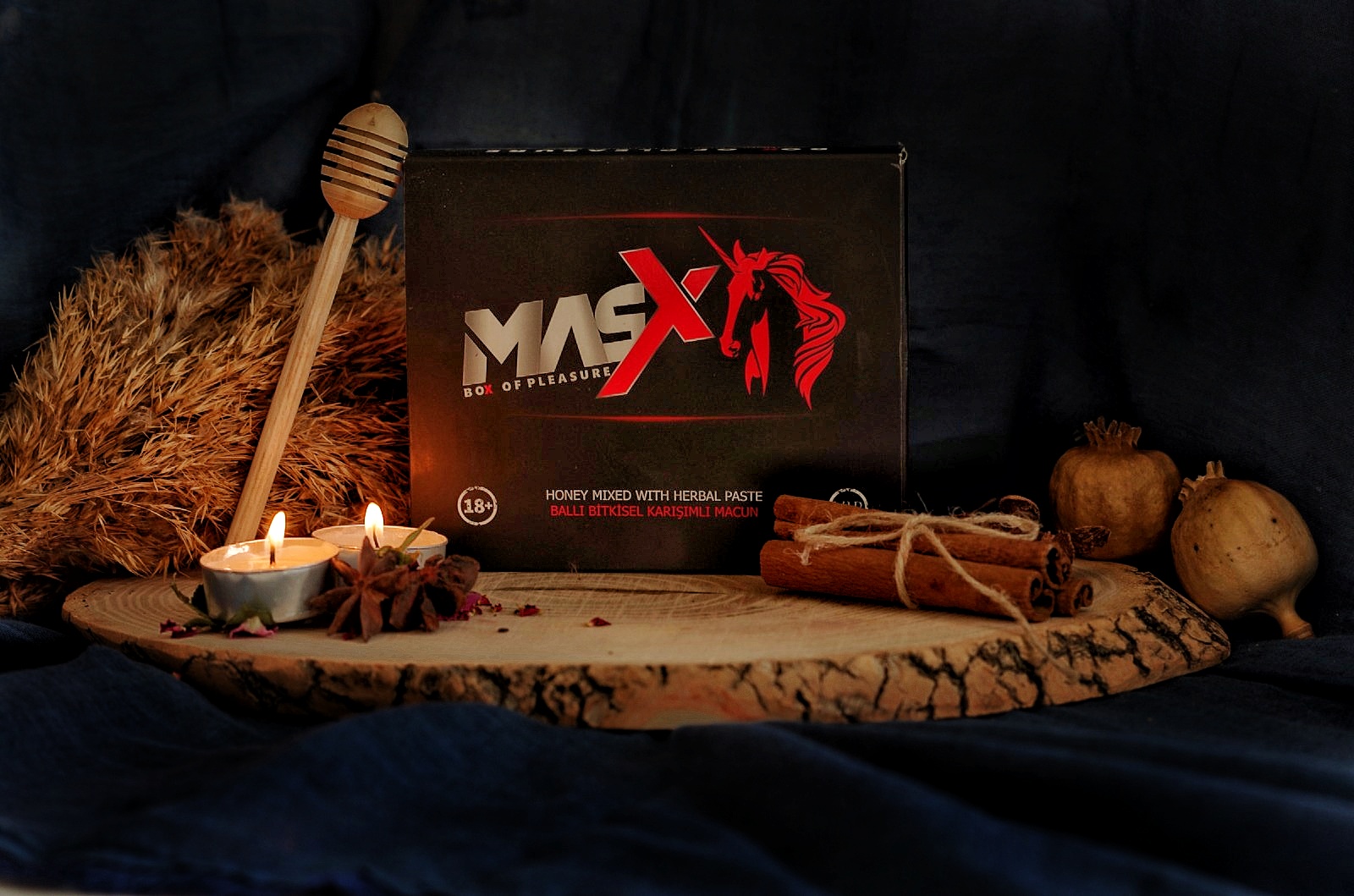
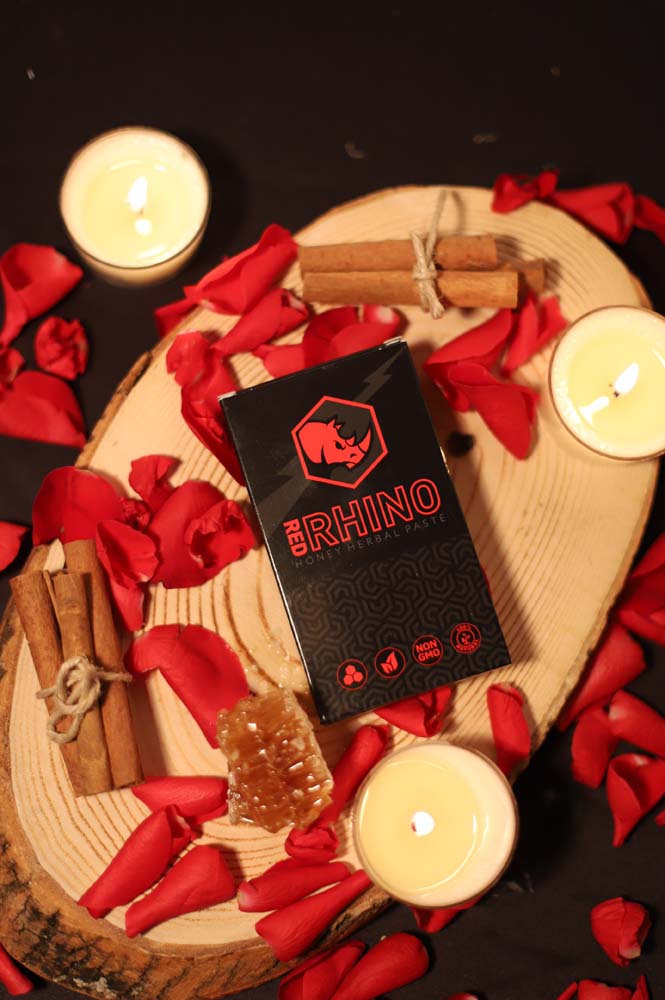
- RED RHINO JEL
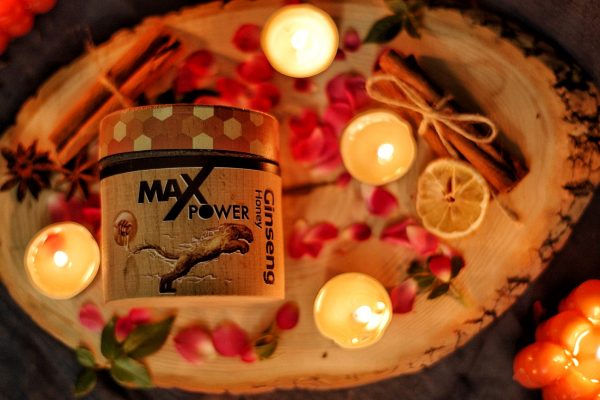
- MAX GINSENG BALI
- OTHER PRODUCTS

CAROB: Carob is a species of legume that grows naturally in the Mediterranean climate. Beans can be eaten, evergreen shrubs or trees in the form.
GINSENG: Panax ginseng, also known as Asian ginseng, Chinese ginseng or Korean ginseng, is a plant species whose roots are the original source of ginseng. It is a perennial plant that grows in the mountains of East Asia.
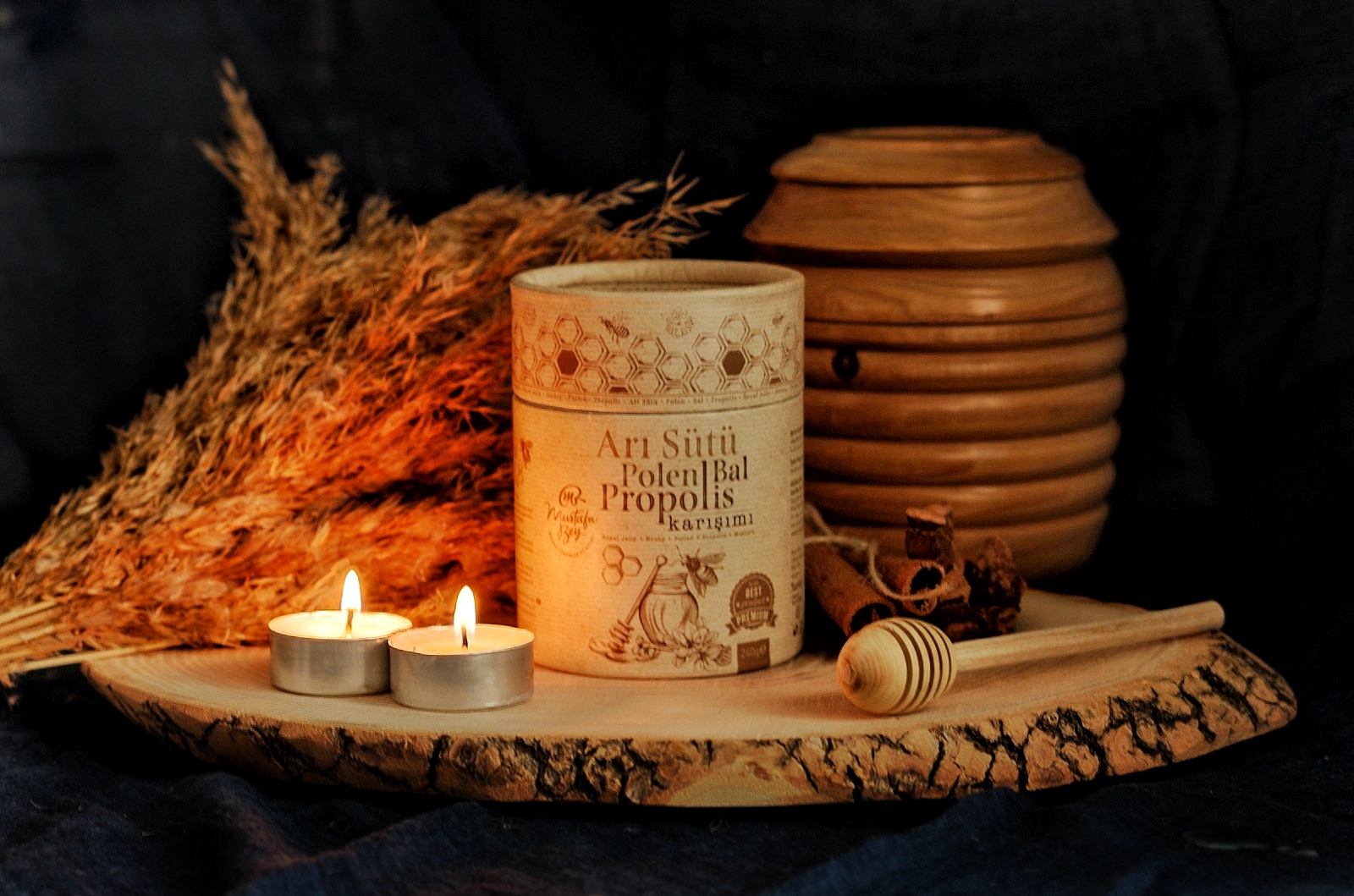
POLLEN: The powder consists of male offspring cells. Flower powder, which is produced in male organs of flowers and fertilizes female organs, is called pollen. Pollen is a male reproductive particle that carries the genetic information of plants.
EPIMEDIUM: Common name of herbaceous flowering plants containing 60 or more species of the genus Epimedium of the genus Berberidaceae family. Some species of this genus are endemic in southern China. Some of them are as far as Asia and some are far from Europe.
DATE MOLASSES: Nutritious feature is a very rich product. The molasses obtained from dates are lighter and more delicious. It is a dense, sweet syrup produced by crushing and boiling the fruit.

BEET SUGAR: Sugar beet is a 2-year-old agricultural plant from the Chenopodiaceae Family, which is obtained from the fleshy root. Vegetative organs develop in 1 year and generative organs develop in 2 years. Seeds are found in combination. Height varies between 85-180 cm depending on where it grows, climate and type.
RAW HONEY: In other words, raw honey is the one where all natural vitamins, living enzymes, pollen and all other nutrients are preserved. Therefore, it maintains the value of raw honey in the best way.
MULBERRY MOLASSES: Mulberry Molasses production starts with the ripening of mulberries in the first week of June and lasts about five weeks. Mulberry trees are harvested 8-10 times during 3-4 days depending on the climatic conditions. Mulberry, usually obtained in the first harvest, is not used in molasses production. Consumed wet or sold retail.Subsequent harvests are suitable for molasses. After the ripe mulberries are harvested, extraction is done. During the sorting stage, foreign materials such as green mulberries, leaves, insects and wood particles are removed from the mulberry. After this process, the mulberries are poured into boilers and water is added to 1/4 and boiled in pine wood fire. In this way, the heat treated mulberries are pressed into pressing devices made of pine wood and pressed to obtain the so-called must.
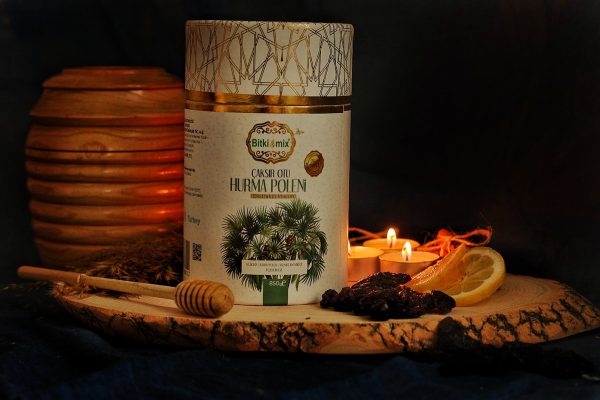
PALM POLLEN: Although palm pollen is beneficial for many ailments, the first benefit that people know in general is the role of having children. According to researches, palm pollen has a positive effect on infertility. It is necessary to consume before meals. It expels toxins in the body and makes one feel healthier. Removes excess water in the stomach. When mixed with oregano, it is beneficial for stomach cold and various chest diseases. Palm pollen is good for internal bleeding and prevents hypertension. It also helps with digestive problems and diarrhea.
GINGER: It is a perennial plant that can grow up to one meter from the ginger family, with thin-long leaves, yellow-red flowers, root tubers used as spices and medicines. Grows in tropical or semi-tropical climates such as China, India, Indonesia, Vietnam, Japan
LEPIDIUM: It is rich in vitamins A, B1, B2, B3, C and D. It contains iron, magnesium, copper, sodium, potassium minerals. With 19 different amino acid contents, it helps to maintain the balance of the body. It supports the work of the nervous system and helps to reduce the effects of stress, provides a better sleep.
AMERICAN GINSENG: There are many species of this plant, but the most popular ones are American ginseng (Panax quinquefolius) and Asian ginseng (Panax ginseng). Ginseng is a
slow-growing perennial plant belonging to the genus Panax in the Araliaceae family. This Chinese phrase refers to the root of the plant that resembles a human body.
SIBERIA GINSENG: Eleutherococcus senticosus, Acanthopanax senticosus, also known as Siberian ginseng, is one of the plants considered as adaptogen used in ancient Chinese medicine. They are generally found in mixed and coniferous forests as a group.
CAROB: Carob is a species of legume that grows naturally in the Mediterranean climate. Beans can be eaten, evergreen shrubs or trees in the form.
GINSENG: Panax ginseng, also known as Asian ginseng, Chinese ginseng or Korean ginseng, is a plant species whose roots are the original source of ginseng. It is a perennial plant that grows in the mountains of East Asia.
POLLEN: The powder consists of male offspring cells. Flower powder, which is produced in male organs of flowers and fertilizes female organs, is called pollen. Pollen is a male reproductive particle that carries the genetic information of plants.
EPIMEDIUM: Common name of herbaceous flowering plants containing 60 or more species of the genus Epimedium of the genus Berberidaceae family. Some species of this genus are endemic in southern China. Some of them are as far as Asia and some are far from Europe.
DATE MOLASSES: Nutritious feature is a very rich product. The molasses obtained from dates are lighter and more delicious. It is a dense, sweet syrup produced by crushing and boiling the fruit.
BEET SUGAR: Sugar beet is a 2-year-old agricultural plant from the Chenopodiaceae Family, which is obtained from the fleshy root. Vegetative organs develop in 1 year and generative organs develop in 2 years. Seeds are found in combination. Height varies between 85-180 cm depending on where it grows, climate and type.
RAW HONEY: In other words, raw honey is the one where all natural vitamins, living enzymes, pollen and all other nutrients are preserved. Therefore, it maintains the value of raw honey in the best way.
MULBERRY MOLASSES: Mulberry Molasses production starts with the ripening of mulberries in the first week of June and lasts about five weeks. Mulberry trees are harvested 8-10 times during 3-4 days depending on the climatic conditions. Mulberry, usually obtained in the first harvest, is not used in molasses production. Consumed wet or sold retail.Subsequent harvests are suitable for molasses. After the ripe mulberries are harvested, extraction is done. During the sorting stage, foreign materials such as green mulberries, leaves, insects and wood particles are removed from the mulberry. After this process, the mulberries are poured into boilers and water is added to 1/4 and boiled in pine wood fire. In this way, the heat treated mulberries are pressed into pressing devices made of pine wood and pressed to obtain the so-called must.

PALM POLLEN: Although palm pollen is beneficial for many ailments, the first benefit that people know in general is the role of having children. According to researches, palm pollen has a positive effect on infertility. It is necessary to consume before meals. It expels toxins in the body and makes one feel healthier. Removes excess water in the stomach. When mixed with oregano, it is beneficial for stomach cold and various chest diseases. Palm pollen is good for internal bleeding and prevents hypertension. It also helps with digestive problems and diarrhea.
GINGER: It is a perennial plant that can grow up to one meter from the ginger family, with thin-long leaves, yellow-red flowers, root tubers used as spices and medicines. Grows in tropical or semi-tropical climates such as China, India, Indonesia, Vietnam, Japan
LEPIDIUM: It is rich in vitamins A, B1, B2, B3, C and D. It contains iron, magnesium, copper, sodium, potassium minerals. With 19 different amino acid contents, it helps to maintain the balance of the body. It supports the work of the nervous system and helps to reduce the effects of stress, provides a better sleep.
AMERICAN GINSENG: There are many species of this plant, but the most popular ones are American ginseng (Panax quinquefolius) and Asian ginseng (Panax ginseng). Ginseng is a
slow-growing perennial plant belonging to the genus Panax in the Araliaceae family. This Chinese phrase refers to the root of the plant that resembles a human body.
SIBERIA GINSENG: Eleutherococcus senticosus, Acanthopanax senticosus, also known as Siberian ginseng, is one of the plants considered as adaptogen used in ancient Chinese medicine. They are generally found in mixed and coniferous forests as a group.

GLUCOSE SYRUP: Glucose, a simple sugar, is one of the most important carbohydrates for life. Cells use it as an energy source and as an intermediate in metabolic reactions. Glucose is one of the main products of photosynthesis and cellular respiration begins with it.
FLOWER HONEY: Orange honey, linden flower honey, alfalfa honey, etc. or centrifugal, the honey that is rested and filtered is called, filtered honey.
MULBERRY MOLASSES: Mulberry Molasses production starts with the ripening of mulberries in the first week of June and lasts about five weeks. Mulberry trees are harvested 8-10 times during 3-4 days depending on the climatic conditions. Mulberry, usually obtained in the first harvest, is not used in molasses production. Consumed wet or sold retail. Subsequent harvests are suitable for molasses. After the ripe mulberries are harvested, extraction is done. During the sorting stage, foreign materials such as green mulberries, leaves, insects and wood particles are removed from the mulberry. After this process, the mulberries are poured into boilers and water is added to 1/4 and boiled in pine wood fire.
In this way, the heat treated mulberries are pressed into pressing devices made of pine wood and pressed to obtain the so-called must.
DATE MOLASSES: Nutritious feature is a very rich product. The molasses obtained from dates are lighter and more delicious. It is a dense, sweet syrup produced by crushing and boiling the fruit.
SIBERIA GINSENG: Eleutherococcus senticosus, Acanthopanax senticosus, also known as Siberian ginseng, is one of the plants considered as adaptogen used in ancient Chinese medicine. They are generally found in mixed and coniferous forests as a group.
GINGKO BLOBA: This type of tree is a completely unique tree that has no similar species or similar surviving today. Botanists evaluate these plants in a separate section within the realm of plants.
GINSENG: Panax ginseng, also known as Asian ginseng, Chinese ginseng or Korean ginseng, is a plant species whose roots are the original source of ginseng. It is a perennial plant that grows in the mountains of East Asia.
PROPOLIS: Propolis is a sticky, resinous substance. Honey bees gather from different plants and bring them to their hives. Bees cover the hive with propolis to protect it from external factors, microorganisms and other pests.
VANILLA: Vanilla, orchidaceae family is grown in many tropical countries, is a species of climbing stems. The leaves of the plant are stemless, flat and fleshy. Fruits 15-20 cm long, flat, thinned to both ends, bright blackish-colored capsule.
BEE MILK / ROYAL JELLY: Royal Jelly is a white creamy liquid used by bees. This royal jelly, which can only be consumed by queen bees, has many benefits to the human body.
POLLEN: The powder consists of male offspring cells. Flower powder, which is produced in male organs of flowers and fertilizes female organs, is called pollen. Pollen is a male reproductive particle that carries the genetic information of plants.
EPIMEDIUM: Common name of herbaceous flowering plants containing 60 or more species of the genus Epimedium of the genus Berberidaceae family. Some species of this genus are endemic in southern China. Some of them are as far as Asia and some are far from Europe.
CAROB: Carob is a species of legume that grows naturally in the Mediterranean climate. Beans can be eaten, evergreen shrubs or trees in the form.

DATE SYRUP: Since palm syrup is a plant material rich in vitamins and fiber, it is widely used by humans. However, due to the fact that date is not grown much in our country, the use of date is a little less than other countries. Due to this situation, palm syrup is also less used in our country compared to other countries. Date palm syrup, which contains a wide range of minerals, is used to enrich the mineral in particular by processing some dates. Carbohydrate measured in date palm syrup is the most prominent with the fact that date is enriched in terms of minerals through different processes. Because there is a high percentage of carbohydrates in palm syrup. This mineral is important for humans to stay full and at the same time provides a significant increase in energy in people has important effects. However, this syrup should not be used by people who have weight problems because of the high carbohydrate content in palm syrup. Because carbohydrates in the human body causes an increase in the proportion of fat. In this case, you may experience huge problems. Date palm syrup is also very sweet because it is rich in natural sugar. But this sugar is much healthier than sugar in powdered sugar or other foods. Because the sugar in palm syrup is obtained directly from the natural sugar contained in the date palm.
GINGER: It is a perennial plant that can grow up to one meter from the ginger family, with thin-long leaves, yellow-red flowers, root tubers used as spices and medicines. Grows in tropical or semi-tropical climates such as China, India, Indonesia, Vietnam, Japan
GALGANT: Galangal is a perennial herb species used as a spice of rhizomes from the ginger family. Its homeland is India, Southeast Asia and Laos. Galangal which is 3 m tall has white or pink flowers and lanceolate leaves. It is a rhizome plant with wide usage in medicine and kitchen area.
CINNAMON: is an evergreen aromatic fragrant tree genus from the laurel family, South and Southeast Asia.
LEPIDIUM: It is rich in vitamins A, B1, B2, B3, C and D. It contains iron, magnesium, copper, sodium, potassium minerals. With 19 different amino acid contents, it helps to maintain the balance of the body. It supports the work of the nervous system and helps to reduce the effects of stress, provides a better sleep.
AMERICAN GINSENG: There are many species of this plant, but the most popular ones are American ginseng (Panax quinquefolius) and Asian ginseng (Panax ginseng). Ginseng is a
slow-growing perennial plant belonging to the genus Panax in the Araliaceae family. This Chinese phrase refers to the root of the plant that resembles a human body.

GLUCOSE SYRUP: Glucose, a simple sugar, is one of the most important carbohydrates for life. Cells use it as an energy source and as an intermediate in metabolic reactions. Glucose is one of the main products of photosynthesis and cellular respiration begins with it.
FLOWER HONEY: Orange honey, linden flower honey, alfalfa honey, etc. or centrifugal, the honey that is rested and filtered is called, filtered honey.
MULBERRY MOLASSES: Mulberry Molasses production starts with the ripening of mulberries in the first week of June and lasts about five weeks. Mulberry trees are harvested 8-10 times during 3-4 days depending on the climatic conditions. Mulberry, usually obtained in the first harvest, is not used in molasses production. Consumed wet or sold retail. Subsequent harvests are suitable for molasses. After the ripe mulberries are harvested, extraction is done. During the sorting stage, foreign materials such as green mulberries, leaves, insects and wood particles are removed from the mulberry. After this process, the mulberries are poured into boilers and water is added to 1/4 and boiled in pine wood fire.
In this way, the heat treated mulberries are pressed into pressing devices made of pine wood and pressed to obtain the so-called must.
DATE MOLASSES: Nutritious feature is a very rich product. The molasses obtained from dates are lighter and more delicious. It is a dense, sweet syrup produced by crushing and boiling the fruit.
SIBERIA GINSENG: Eleutherococcus senticosus, Acanthopanax senticosus, also known as Siberian ginseng, is one of the plants considered as adaptogen used in ancient Chinese medicine. They are generally found in mixed and coniferous forests as a group.
GINGKO BLOBA: This type of tree is a completely unique tree that has no similar species or similar surviving today. Botanists evaluate these plants in a separate section within the realm of plants.
GINSENG: Panax ginseng, also known as Asian ginseng, Chinese ginseng or Korean ginseng, is a plant species whose roots are the original source of ginseng. It is a perennial plant that grows in the mountains of East Asia.
PROPOLIS: Propolis is a sticky, resinous substance. Honey bees gather from different plants and bring them to their hives. Bees cover the hive with propolis to protect it from external factors, microorganisms and other pests.
VANILLA: Vanilla, orchidaceae family is grown in many tropical countries, is a species of climbing stems. The leaves of the plant are stemless, flat and fleshy. Fruits 15-20 cm long, flat, thinned to both ends, bright blackish-colored capsule.
BEE MILK / ROYAL JELLY: Royal Jelly is a white creamy liquid used by bees. This royal jelly, which can only be consumed by queen bees, has many benefits to the human body.
POLLEN: The powder consists of male offspring cells. Flower powder, which is produced in male organs of flowers and fertilizes female organs, is called pollen. Pollen is a male reproductive particle that carries the genetic information of plants.
EPIMEDIUM: Common name of herbaceous flowering plants containing 60 or more species of the genus Epimedium of the genus Berberidaceae family. Some species of this genus are endemic in southern China. Some of them are as far as Asia and some are far from Europe.
CAROB: Carob is a species of legume that grows naturally in the Mediterranean climate. Beans can be eaten, evergreen shrubs or trees in the form.

DATE SYRUP: Since palm syrup is a plant material rich in vitamins and fiber, it is widely used by humans. However, due to the fact that date is not grown much in our country, the use of date is a little less than other countries. Due to this situation, palm syrup is also less used in our country compared to other countries. Date palm syrup, which contains a wide range of minerals, is used to enrich the mineral in particular by processing some dates. Carbohydrate measured in date palm syrup is the most prominent with the fact that date is enriched in terms of minerals through different processes. Because there is a high percentage of carbohydrates in palm syrup. This mineral is important for humans to stay full and at the same time provides a significant increase in energy in people has important effects. However, this syrup should not be used by people who have weight problems because of the high carbohydrate content in palm syrup. Because carbohydrates in the human body causes an increase in the proportion of fat. In this case, you may experience huge problems. Date palm syrup is also very sweet because it is rich in natural sugar. But this sugar is much healthier than sugar in powdered sugar or other foods. Because the sugar in palm syrup is obtained directly from the natural sugar contained in the date palm.
GINGER: It is a perennial plant that can grow up to one meter from the ginger family, with thin-long leaves, yellow-red flowers, root tubers used as spices and medicines. Grows in tropical or semi-tropical climates such as China, India, Indonesia, Vietnam, Japan
GALGANT: Galangal is a perennial herb species used as a spice of rhizomes from the ginger family. Its homeland is India, Southeast Asia and Laos. Galangal which is 3 m tall has white or pink flowers and lanceolate leaves. It is a rhizome plant with wide usage in medicine and kitchen area.
CINNAMON: is an evergreen aromatic fragrant tree genus from the laurel family, South and Southeast Asia.
LEPIDIUM: It is rich in vitamins A, B1, B2, B3, C and D. It contains iron, magnesium, copper, sodium, potassium minerals. With 19 different amino acid contents, it helps to maintain the balance of the body. It supports the work of the nervous system and helps to reduce the effects of stress, provides a better sleep.
AMERICAN GINSENG: There are many species of this plant, but the most popular ones are American ginseng (Panax quinquefolius) and Asian ginseng (Panax ginseng). Ginseng is a
slow-growing perennial plant belonging to the genus Panax in the Araliaceae family. This Chinese phrase refers to the root of the plant that resembles a human body.

GLUCOSE SYRUP: Glucose, a simple sugar, is one of the most important carbohydrates for life. Cells use it as an energy source and as an intermediate in metabolic reactions. Glucose is one of the main products of photosynthesis and cellular respiration begins with it.
FLOWER HONEY: Orange honey, linden flower honey, alfalfa honey, etc. or centrifugal, the honey that is rested and filtered is called, filtered honey.
MULBERRY MOLASSES: Mulberry Molasses production starts with the ripening of mulberries in the first week of June and lasts about five weeks. Mulberry trees are harvested 8-10 times during 3-4 days depending on the climatic conditions. Mulberry, usually obtained in the first harvest, is not used in molasses production. Consumed wet or sold retail. Subsequent harvests are suitable for molasses. After the ripe mulberries are harvested, extraction is done. During the sorting stage, foreign materials such as green mulberries, leaves, insects and wood particles are removed from the mulberry. After this process, the mulberries are poured into boilers and water is added to 1/4 and boiled in pine wood fire.
In this way, the heat treated mulberries are pressed into pressing devices made of pine wood and pressed to obtain the so-called must.
DATE MOLASSES: Nutritious feature is a very rich product. The molasses obtained from dates are lighter and more delicious. It is a dense, sweet syrup produced by crushing and boiling the fruit.
SIBERIA GINSENG: Eleutherococcus senticosus, Acanthopanax senticosus, also known as Siberian ginseng, is one of the plants considered as adaptogen used in ancient Chinese medicine. They are generally found in mixed and coniferous forests as a group.
GINGKO BLOBA: This type of tree is a completely unique tree that has no similar species or similar surviving today. Botanists evaluate these plants in a separate section within the realm of plants.
GINSENG: Panax ginseng, also known as Asian ginseng, Chinese ginseng or Korean ginseng, is a plant species whose roots are the original source of ginseng. It is a perennial plant that grows in the mountains of East Asia.
PROPOLIS: Propolis is a sticky, resinous substance. Honey bees gather from different plants and bring them to their hives. Bees cover the hive with propolis to protect it from external factors, microorganisms and other pests.
VANILLA: Vanilla, orchidaceae family is grown in many tropical countries, is a species of climbing stems. The leaves of the plant are stemless, flat and fleshy. Fruits 15-20 cm long, flat, thinned to both ends, bright blackish-colored capsule.
BEE MILK / ROYAL JELLY: Royal Jelly is a white creamy liquid used by bees. This royal jelly, which can only be consumed by queen bees, has many benefits to the human body.
POLLEN: The powder consists of male offspring cells. Flower powder, which is produced in male organs of flowers and fertilizes female organs, is called pollen. Pollen is a male reproductive particle that carries the genetic information of plants.
EPIMEDIUM: Common name of herbaceous flowering plants containing 60 or more species of the genus Epimedium of the genus Berberidaceae family. Some species of this genus are endemic in southern China. Some of them are as far as Asia and some are far from Europe.
CAROB: Carob is a species of legume that grows naturally in the Mediterranean climate. Beans can be eaten, evergreen shrubs or trees in the form.

DATE SYRUP: Since palm syrup is a plant material rich in vitamins and fiber, it is widely used by humans. However, due to the fact that date is not grown much in our country, the use of date is a little less than other countries. Due to this situation, palm syrup is also less used in our country compared to other countries. Date palm syrup, which contains a wide range of minerals, is used to enrich the mineral in particular by processing some dates. Carbohydrate measured in date palm syrup is the most prominent with the fact that date is enriched in terms of minerals through different processes. Because there is a high percentage of carbohydrates in palm syrup. This mineral is important for humans to stay full and at the same time provides a significant increase in energy in people has important effects. However, this syrup should not be used by people who have weight problems because of the high carbohydrate content in palm syrup. Because carbohydrates in the human body causes an increase in the proportion of fat. In this case, you may experience huge problems. Date palm syrup is also very sweet because it is rich in natural sugar. But this sugar is much healthier than sugar in powdered sugar or other foods. Because the sugar in palm syrup is obtained directly from the natural sugar contained in the date palm.
GINGER: It is a perennial plant that can grow up to one meter from the ginger family, with thin-long leaves, yellow-red flowers, root tubers used as spices and medicines. Grows in tropical or semi-tropical climates such as China, India, Indonesia, Vietnam, Japan
GALGANT: Galangal is a perennial herb species used as a spice of rhizomes from the ginger family. Its homeland is India, Southeast Asia and Laos. Galangal which is 3 m tall has white or pink flowers and lanceolate leaves. It is a rhizome plant with wide usage in medicine and kitchen area.
CINNAMON: is an evergreen aromatic fragrant tree genus from the laurel family, South and Southeast Asia.
LEPIDIUM: It is rich in vitamins A, B1, B2, B3, C and D. It contains iron, magnesium, copper, sodium, potassium minerals. With 19 different amino acid contents, it helps to maintain the balance of the body. It supports the work of the nervous system and helps to reduce the effects of stress, provides a better sleep.
AMERICAN GINSENG: There are many species of this plant, but the most popular ones are American ginseng (Panax quinquefolius) and Asian ginseng (Panax ginseng). Ginseng is a
slow-growing perennial plant belonging to the genus Panax in the Araliaceae family. This Chinese phrase refers to the root of the plant that resembles a human body.

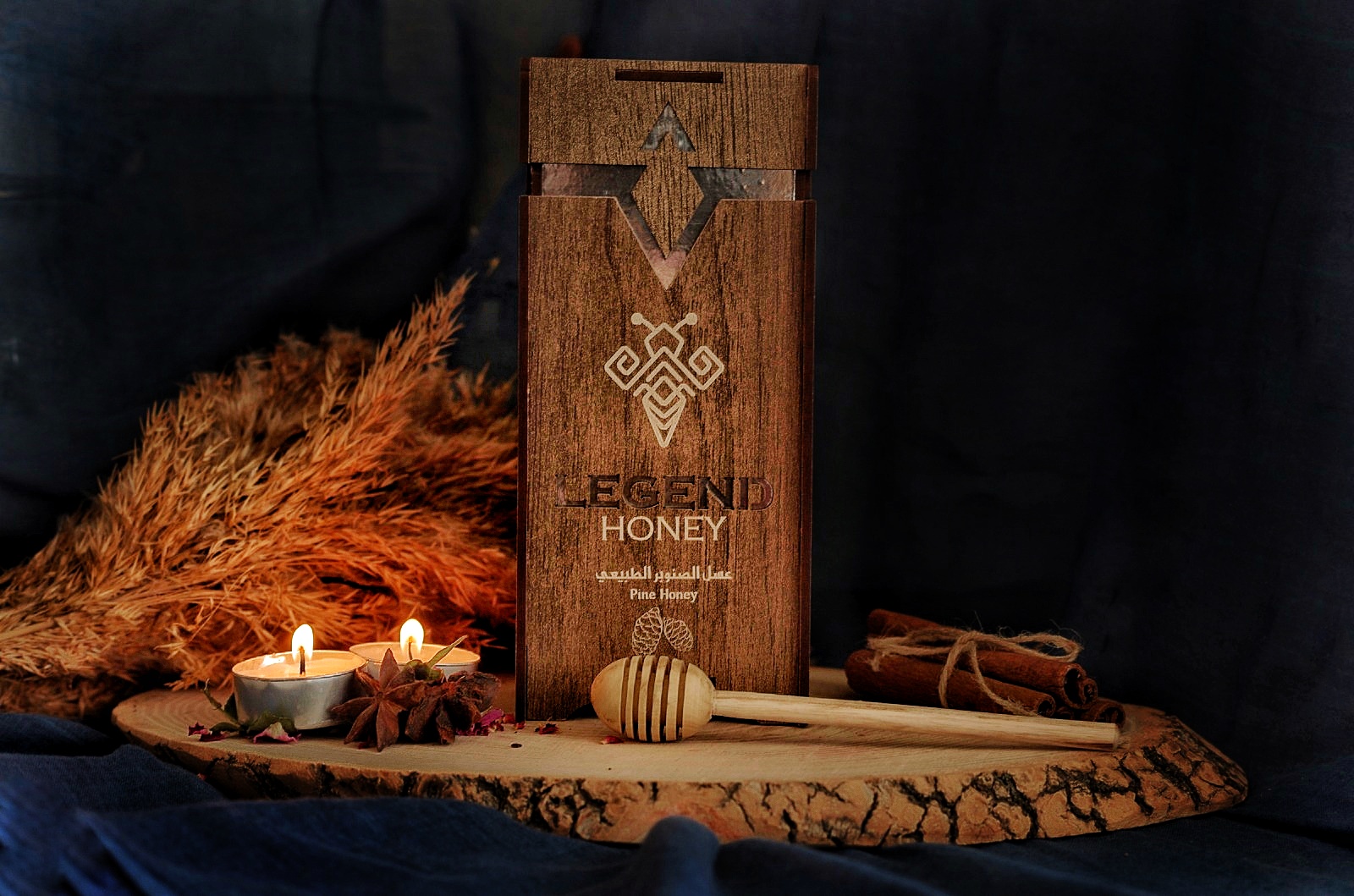
PINE HONEY: Marchalina hellenica (Basra / Persian beetle), which lives on different pine tree species, is a special type of secretory honey produced by taking the water of the tree and changing it in its own name in order to sustain its life. In other words, pine honey is a honey produced by honey bees from the secretion of Persian beetle which is fed from the pine’s own water. Pine honey is the honey of our untouched pine forests in the Aegean and Mediterranean regions, especially in Muğla. It is nature itself and is produced under completely natural conditions.
Marchalina hellenica (Basra beetle), spends its whole life of the pine tree by settling and sucking the sap of the pine tree. Basra beetle, after the 2nd nymph stage of life begins to feed on the sap of the pine tree. Approximately 80% of the sap of the pine tree is carbohydrate and 20% is protein. Basra beetle uses the protein portion for its own nutrition, secreting an increased carbohydrate compound. Honey flower secreted by the basra beetle is taken by honey bees. Honey bees change the honey raw with enzymes and store them in the honeycomb chamber. The moisture of the honey stored in the honeycomb chamber is blown by the honey bees inside the hive and the honey is ripened. Subsequently, 3/4 glazed honey is harvested and honeycomb is extracted from the pine.
The production of pine honey starts in the first days of August and continues until the end of April on the shores and until May 15 in the high altitudes. Intensive pine honey production is carried out in August, September, October and November. Therefore, honey flow continues even in winter.
MULBERRY MOLASSES: Mulberry Molasses production starts with the ripening of mulberries in the first week of June and lasts about five weeks. Mulberry trees are harvested 8-10 times during 3-4 days depending on the climatic conditions. Mulberry, usually obtained in the first harvest, is not used in molasses production. Consumed wet or sold retail. Subsequent harvests are suitable for molasses. After the ripe mulberries are harvested, extraction is done. During the sorting stage, foreign materials such as green mulberries, leaves, insects and wood particles are removed from the mulberry. After this process, the mulberries are poured into boilers and water is added to 1/4 and boiled in pine wood fire.
In this way, the heat treated mulberries are pressed into pressing devices made of pine wood and pressed to obtain the so-called must.

LEPIDIUM: It is rich in vitamins A, B1, B2, B3, C and D. It contains iron, magnesium, copper, sodium, potassium minerals. With 19 different amino acid contents, it helps to maintain the balance of the body. It supports the work of the nervous system and helps to reduce the effects of stress, provides a better sleep.
AMERICAN GINSENG: There are many species of this plant, but the most popular ones are American ginseng (Panax quinquefolius) and Asian ginseng (Panax ginseng). Ginseng is a slow-growing perennial plant belonging to the genus Panax in the Araliaceae family. This Chinese phrase refers to the root of the plant that resembles a human body.
DATE MOLASSES: Nutritious feature is a very rich product. The molasses obtained from dates are lighter and more delicious. It is a dense, sweet syrup produced by crushing and boiling the fruit.
POLLEN: The powder consists of male offspring cells. Flower powder, which is produced in male organs of flowers and fertilizes female organs, is called pollen. Pollen is a male reproductive particle that carries the genetic information of plants.
EPIMEDIUM: Common name of herbaceous flowering plants containing 60 or more species of the genus Epimedium of the genus Berberidaceae family. Some species of this genus are endemic in southern China. Some of them are as far as Asia and some are far from Europe.
CAROB: Carob is a species of legume that grows naturally in the Mediterranean climate. Beans can be eaten, evergreen shrubs or trees in the form.
DATE SYRUP: Since palm syrup is a plant material rich in vitamins and fiber, it is widely used by humans. However, due to the fact that date is not grown much in our country, the use of date is a little less than other countries. Due to this situation, palm syrup is also less used in our country compared to other countries. Date palm syrup, which contains a wide range of minerals, is used to enrich the mineral in particular by processing some dates. Carbohydrate measured in date palm syrup is the most prominent with the fact that date is enriched in terms of minerals through different processes. Because there is a high percentage of carbohydrates in palm syrup. This mineral is important for humans to stay full
and at the same time provides a significant increase in energy in people has important effects. However, this syrup should not be used by people who have weight problems because of the high carbohydrate content in palm syrup. Because carbohydrates in the human body causes an increase in the proportion of fat. In this case, you may experience huge problems. Date palm syrup is also very sweet because it is rich in natural sugar. But this sugar is much healthier than sugar in powdered sugar or other foods. Because the sugar in palm syrup is obtained directly from the natural sugar contained in the date palm.
PALM POLLEN: Although palm pollen is beneficial for many ailments, the first benefit that people know in general is the role of having children. According to researches, palm pollen has a positive effect on infertility. It is necessary to consume before meals. It expels toxins in the body and makes one feel healthier. Removes excess water in the stomach. When mixed with oregano, it is beneficial for stomach cold and various chest diseases. Palm pollen is good for internal bleeding and prevents hypertension. It also helps with digestive problems and diarrhea.
CINNAMON: is an evergreen aromatic fragrant tree genus from the laurel family, South and Southeast Asia.

SIBERIA GINSENG: Eleutherococcus senticosus, Acanthopanax senticosus, also known as Siberian ginseng, is one of the plants considered as adaptogen used in ancient Chinese medicine. They are generally found in mixed and coniferous forests as a group.
GINGKO BLOBA: This type of tree is a completely unique tree that has no similar species or similar surviving today. Botanists evaluate these plants in a separate section within the realm of plants.
GINSENG: Panax ginseng, also known as Asian ginseng, Chinese ginseng or Korean ginseng, is a plant species whose roots are the original source of ginseng. It is a perennial plant that grows in the mountains of East Asia.
PROPOLIS: Propolis is a sticky, resinous substance. Honey bees gather from different plants and bring them to their hives. Bees cover the hive with propolis to protect it from external factors, microorganisms and other pests.
VANILLA: Vanilla, orchidaceae family is grown in many tropical countries, is a species of climbing stems. The leaves of the plant are stemless, flat and fleshy. Fruits 15-20 cm long, flat, thinned to both ends, bright blackish-colored capsule.
BEE MILK / ROYAL JELLY: Royal Jelly is a white creamy liquid used by bees. This royal jelly, which can only be consumed by queen bees, has many benefits to the human body.



 Our Ccompany, which has a rich product range, has been continiouing its
 Turkish
 Русский